Subterranean fauna
Closing critical knowledge gaps to improve environmental assessment, conservation and sustainable development decisions in subterranean ecosystems.
Making hidden biodiversity better understood
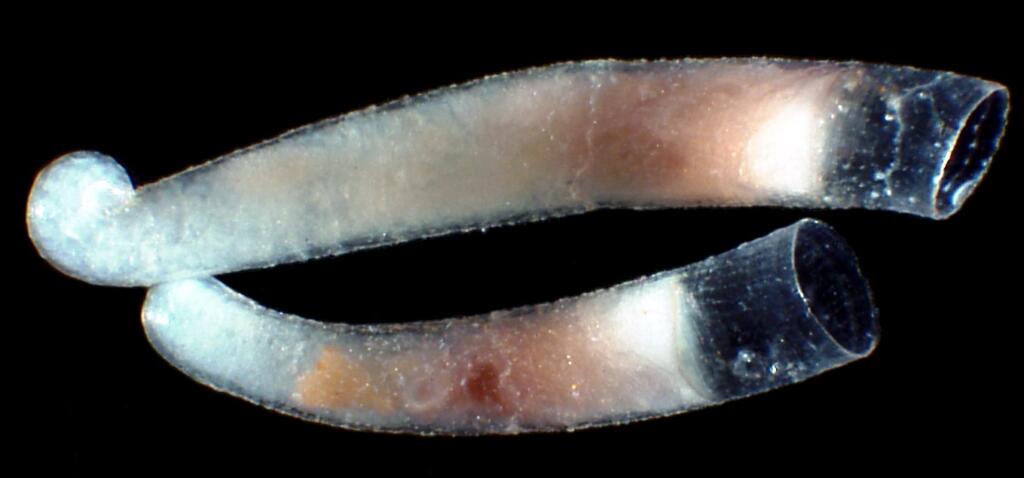
Western Australia’s subterranean environments support highly diverse communities of stygofauna and troglofauna, many of which occur nowhere else.
Their hidden nature makes them difficult to detect, study and monitor, creating significant knowledge gaps for environmental assessment and conservation.
WABSI’s Subterranean Fauna Program starts with the needs of end users who face uncertainty when making decisions about development, environmental impact and biodiversity management.
Through consultation, the program identifies priority knowledge gaps and coordinates targeted research to address them.
Research spans subterranean fauna biology and ecology, detection and identification, environmental responses and methods that can improve confidence in assessment and management.
By bringing together researchers, regulators and industry, WABSI connects independent science with practical decision needs.
The program aims to improve the evidence available to decision-makers, reduce avoidable uncertainty and support both biodiversity protection and responsible economic development.
- Stygofauna
- Aquatic animals that live within groundwater systems, including species adapted to subterranean environments.
- Troglofauna
- Air-breathing animals that live within caves, rock fissures and other subterranean habitats.
- Environmental assessment
- The process of evaluating potential environmental impacts of a proposed activity to inform decisions, conditions and management.
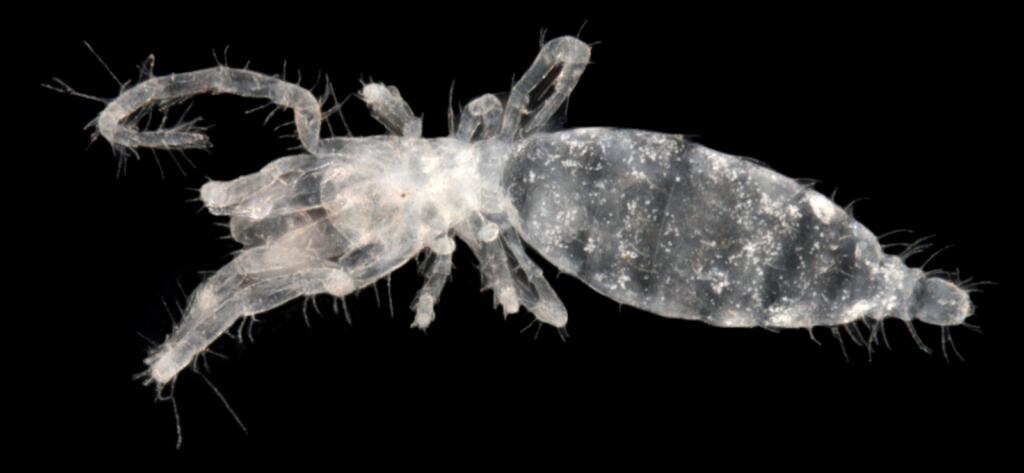
Subterranean fauna are diverse, highly specialised and difficult to study. Limited knowledge of their distribution, ecology and responses to disturbance can create uncertainty for environmental assessment, conservation and development decisions.
Western Australia contains globally significant subterranean biodiversity, particularly across regions such as the Pilbara and Yilgarn. Many species have extremely restricted distributions and are adapted to conditions that are difficult to observe directly.
This makes conventional survey and monitoring approaches challenging and can leave important gaps in knowledge about species distributions, ecological requirements, population dynamics and responses to environmental change.
For decision-makers, uncertainty has practical consequences. Environmental assessments may need to account for limited information, while proponents and regulators need confidence that decisions appropriately manage biodiversity risks.
Conservation planning also requires a clearer understanding of which species and subterranean systems are most vulnerable and what management actions can be effective.
WABSI starts with these decision needs, identifies the knowledge gaps that matter most and coordinates research to address them.
Priorities include improving detection and identification, understanding biology and ecology, evaluating environmental responses and developing approaches that strengthen assessment and management.
Better evidence can reduce uncertainty while supporting conservation and sustainable development.
Where the program focuses.
Research priorities are shaped by the knowledge needed to improve assessment confidence, understand subterranean ecosystems and support practical conservation and development decisions.
-
Species delineation
Working out what counts as a distinct species underground, and how to compare DNA and physical features consistently so that data from different projects can be matched up.
-
Best practice sampling and survey protocols
Finding the most efficient, repeatable and reliable ways to survey subterranean fauna, now and as new technologies emerge.
-
Improved understanding of biotic and abiotic habitat requirements
Understanding what these animals need to live, both above and below ground, so we can better predict where they occur.
-
Resilience to disturbance
Learning how subterranean fauna respond to impacts like mining, and whether they can survive, move away and recover.
-
Data consolidation
Bringing scattered subterranean information together so it can be shared, trusted and put to use.

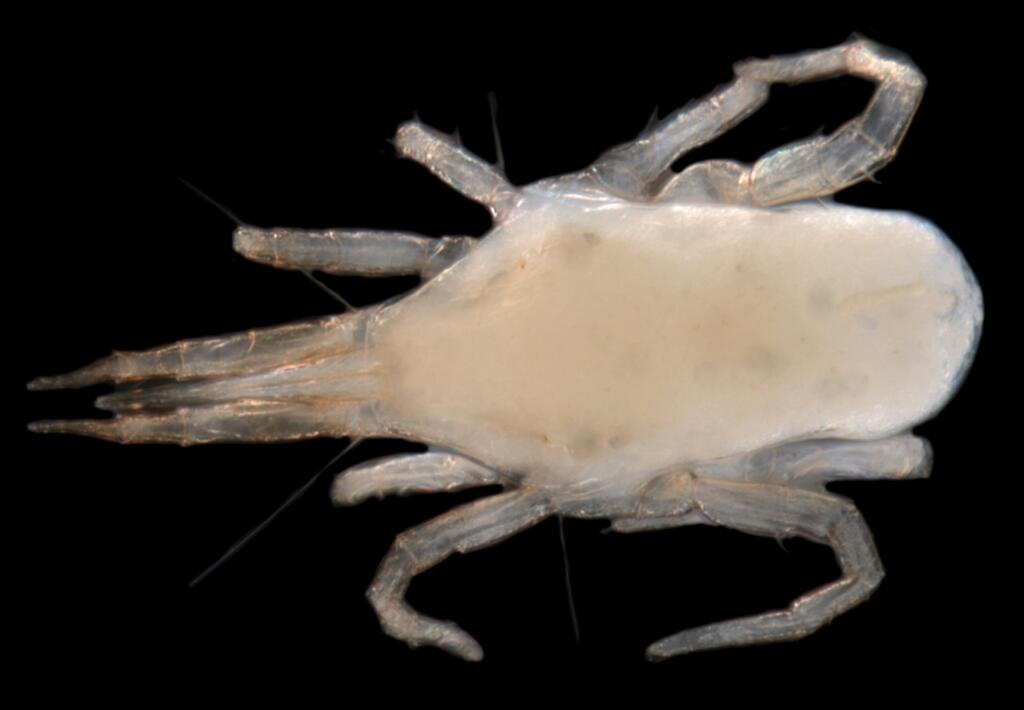
WABSI uses an end user driven approach to ensure research addresses the uncertainties that most affect decisions.
The program brings together subterranean fauna researchers, industry, regulators and other knowledge users to identify critical gaps, review existing evidence and prioritise research where new knowledge can have the greatest value.
Independent research is then coordinated across complementary disciplines and capabilities, including molecular techniques, ecological understanding, survey methods, modelling and environmental assessment.
End users remain connected to the research so findings can be interpreted in the context of actual decisions and translated into practical evidence, tools or guidance.
The program builds capability as well as answering immediate questions, strengthening Western Australia’s longer-term capacity to understand and manage subterranean biodiversity.
This creates a pathway from difficult-to-observe biodiversity to more confident environmental decisions.
What the program aims to achieve.
Improve ecological understanding
Build knowledge of subterranean fauna biology, ecology, distribution and environmental requirements.
Strengthen detection and identification
Develop evidence and methods that improve the reliability and efficiency of subterranean fauna assessment.
Reduce assessment uncertainty
Generate targeted science that addresses the knowledge gaps most relevant to environmental decision-making.
Support conservation and development
Enable decisions that appropriately manage biodiversity values while supporting responsible economic activity.
Outputs from the program.
-
 01
Leading a strategic approach for subterranean fauna conservation
2022 Download PDF -
 02
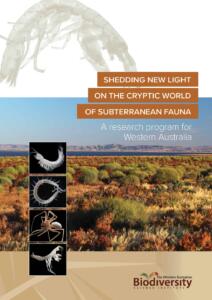
Subterranean Fauna: A research program for Western Australia
2018 Download PDF -
 03
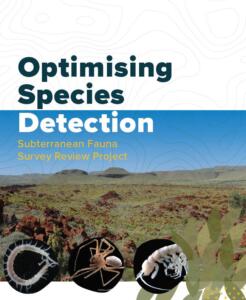
Survey Review Project Report, Subterranean Fauna Research Program
2021 Download PDF -
 04
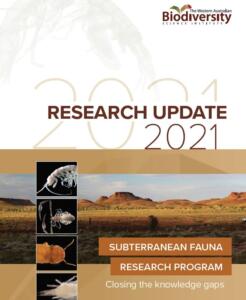
Research update 2021: Subterranean Fauna Research Program
2021 Download PDF
Explore the projects.
-
Project
Assessing stygofaunal resilience
Understanding how stygofauna respond to environmental change is critical to assessing and managing impacts on groundwater ecosystems.
-
Project
Review of survey and sampling protocols
Finding subterranean fauna is challenging.
-
Project
Taking eDNA underground
Environmental DNA (eDNA) offers a new way to detect and monitor subterranean fauna without relying solely on traditional specimen-based approaches.
-
Project
Unveiling ecosystem dynamics of groundwaters
Groundwater ecosystems are more than collections of individual species.
-
Project
Identifications of a variety of subterranean fauna
The Pilbara may hold around 1,800 species of underground animals, yet only 270 have been formally described.
-
Project
Data consolidation and sharing
Biodiversity records from many industry sources have been combined into one dataset and shared through Dandjoo, Western Australia’s state biodiversity data platform.
-
Project
Modelling distribution data to predict subterranean fauna habit in the Pilbara
A PhD project at the University of Western Australia is using data modelling to predict where hidden underground animals live in the Pilbara.
Other WABSI
research programs.
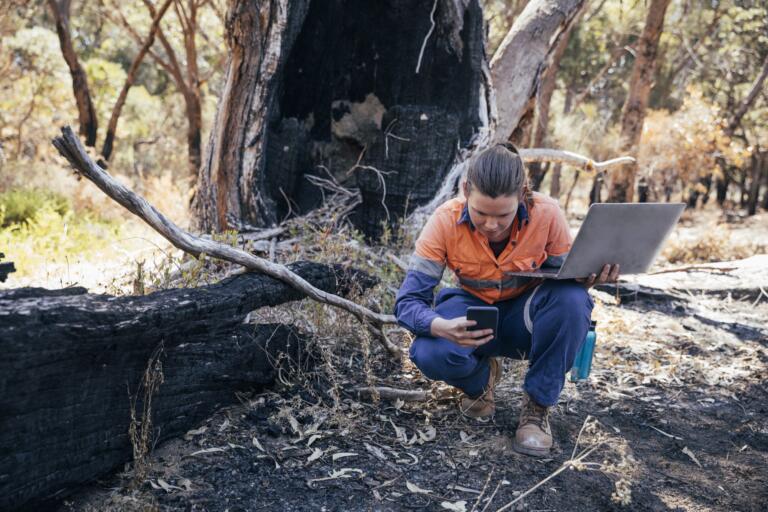
Help close the knowledge gaps that matter.
Subterranean fauna research is strongest when scientists, regulators, industry and other knowledge users define priorities together.
WABSI provides a mechanism for identifying shared uncertainties, coordinating research capability and translating findings into evidence that can be used in assessment and management.
Industry can identify decision points where better knowledge would reduce uncertainty; regulators can define evidence needs; researchers can contribute specialist expertise and new methods; and conservation practitioners can connect research with biodiversity priorities.
Participation can range from shaping research questions and providing knowledge to supporting projects, applying outputs and evaluating whether new evidence is changing decisions.
-
Industry
Identify assessment and management uncertainties where targeted science could improve confidence, reduce avoidable delays and support responsible development.
-
Government and regulators
Help define evidence needs and collaborate on research that strengthens environmental assessment, policy and conservation decision-making.
-
Researchers
Connect specialist subterranean fauna expertise with priority end user questions and collaborate across disciplines to close critical knowledge gaps.
-
Conservation practitioners
Bring conservation priorities and ecological knowledge into research design and help translate findings into practical biodiversity outcomes.
- Direct email info@wabsi.org.au