Restoration
Connecting restoration science with investment, implementation and capability to scale ecological restoration across Western Australia.
Building the evidence for a restoration economy
Western Australia has growing demand for ecological restoration, but scaling restoration requires evidence about what works, where investment should be directed, what outcomes can be measured and how capability can be built.
WABSI starts with these end user needs and develops targeted research to close critical knowledge gaps.
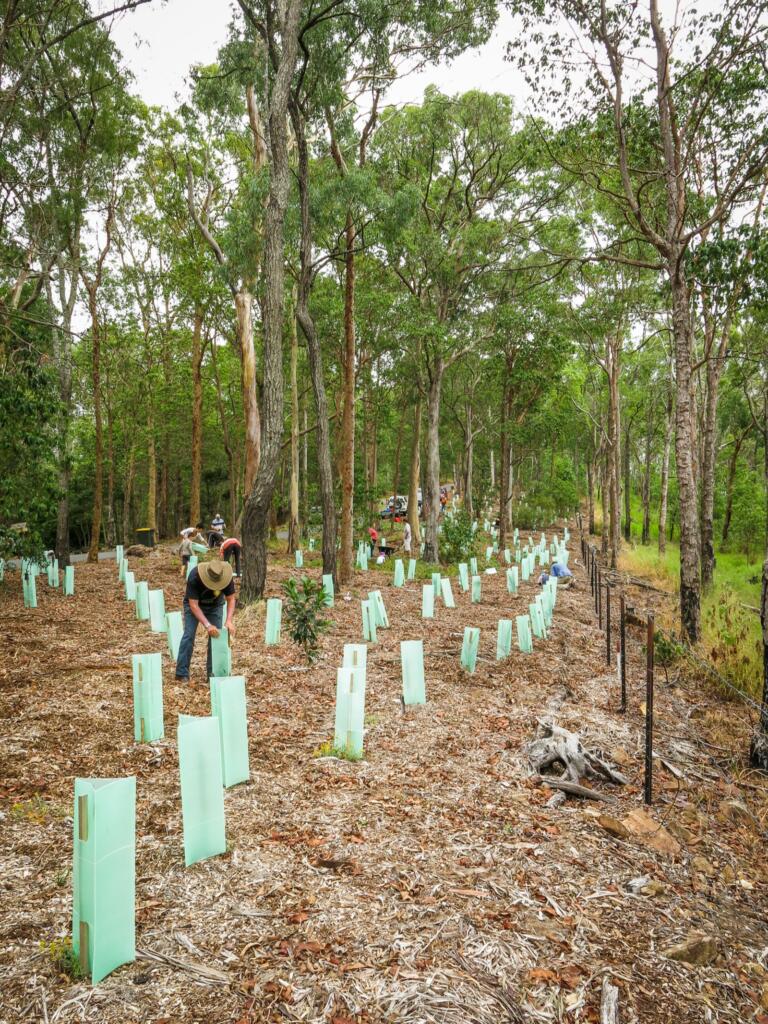
Ecological restoration can deliver biodiversity, resilience, cultural, social and economic benefits, but achieving restoration at scale requires more than individual projects.
Investors, governments, land managers, industry and practitioners need evidence to determine priorities, estimate costs and benefits, assess outcomes and understand where restoration can deliver the greatest value.
They also need confidence that restoration approaches are feasible, measurable and capable of producing durable ecological outcomes.
WABSI works with end users to identify these evidence needs and coordinate a prioritised research agenda.
Research can address restoration benefits, barriers and enablers, prioritisation, monitoring, costs and investment pathways.
The program connects ecological science with economics, implementation and decision-making, helping translate restoration knowledge into practical approaches for investment and delivery.
By strengthening the evidence base and connecting organisations across the restoration system, WABSI supports a restoration economy that can create environmental outcomes alongside economic opportunity, employment, capability and resilient landscapes.


Where the program focuses.
-
Restoration benefits
Improve evidence about biodiversity, environmental, social and economic benefits of restoration.
-
Prioritisation
Develop approaches for identifying where restoration investment can deliver the greatest value and impact.
-
Barriers and enablers
Identify the conditions, capabilities and incentives that influence successful restoration.
-
Monitoring and assurance
Strengthen approaches for measuring, demonstrating and communicating restoration outcomes.
-
Investment and markets
Explore evidence and mechanisms that can support investment and sustainable growth in restoration activity.

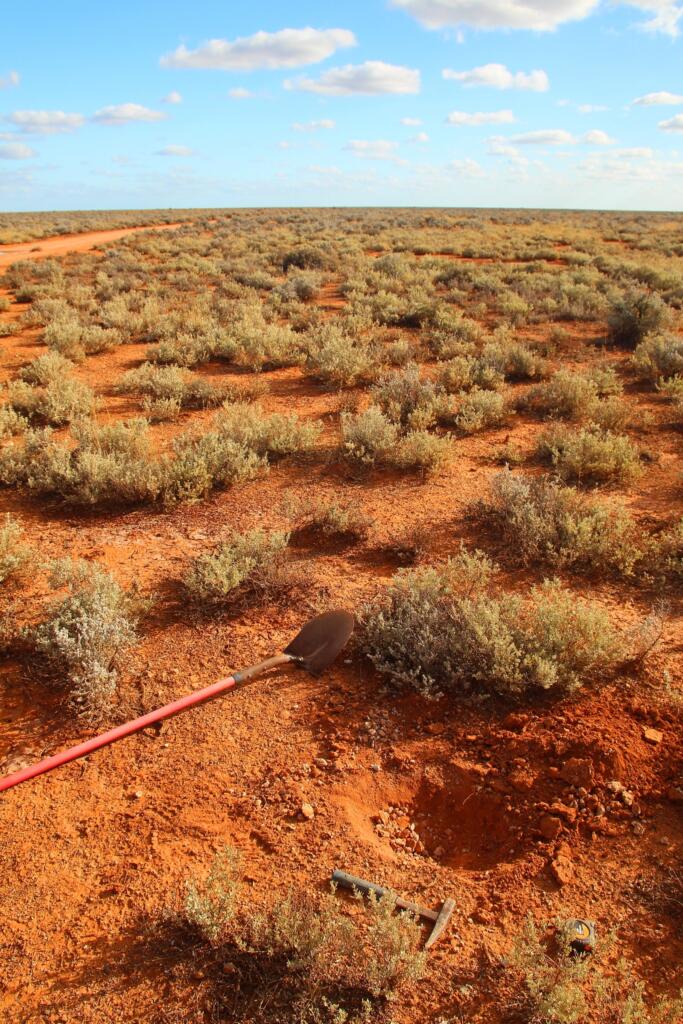
WABSI brings end users across government, industry, investment, science and restoration practice together to define the evidence needed to scale restoration.
Research is prioritised around decisions about investment, implementation and outcomes, rather than research for its own sake.
Independent science is connected with economic and operational expertise so findings can be applied in real landscapes.
Outputs are translated into tools, frameworks, research priorities and evidence that support funding, project design, monitoring and evaluation.
The approach also builds capability by strengthening connections across the restoration system.
This creates a clearer pathway from restoration science to investment, implementation and measurable impact.
What the program aims to achieve.
Build the restoration evidence base
Generate the knowledge needed to improve restoration planning, investment and delivery.
Support smarter investment
Provide evidence about benefits, priorities, costs and outcomes to guide restoration investment.
Improve implementation
Identify barriers, enablers and practical approaches that increase restoration success.
Build a capable restoration economy
Strengthen skills, collaboration and systems that can support restoration at scale.
Outputs from the program.
-
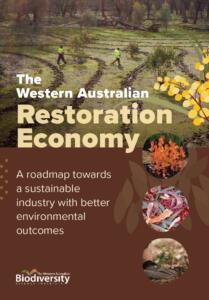 01
The Western Australian Restoration Economy: A roadmap
2023 Download PDF -
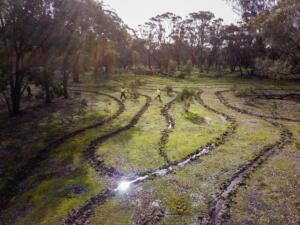 02
Scaling up the WA restoration economy
2025 Download PDF -
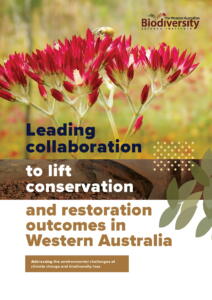 03
Leading collaboration to lift conservation and restoration outcomes
2022 Download PDF
Explore the projects.
-
Project
Biodiversity offsets in the Northern Jarrah Forest
The Northern Jarrah Forest is a landscape of environmental, cultural, social and economic significance facing increasing pressures from development and climate change.
-
Project
Wheatbelt Restoration Standards
Restoring degraded ecosystems is complex, particularly across a highly cleared and fragmented landscape such as the Western Australian Wheatbelt.
-
Project
Experimental plantings
Restoration is rarely a one-size-fits-all process.
Other WABSI
research programs.
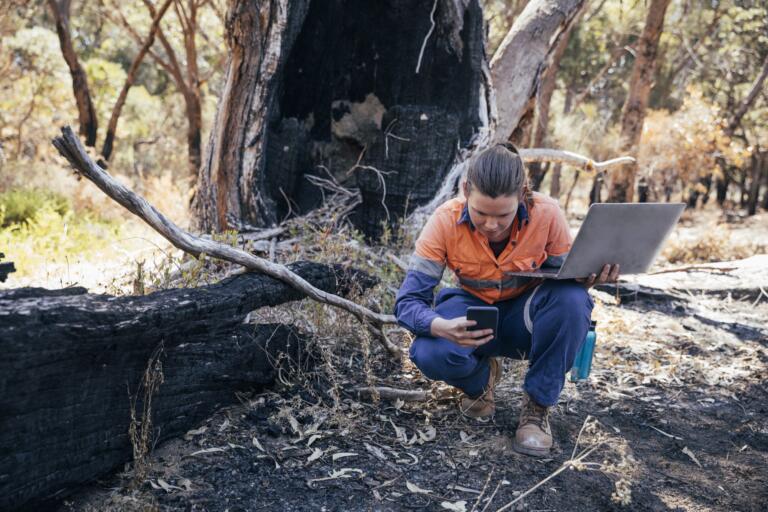


Help close the knowledge gaps that matter.
Scaling restoration requires shared evidence across science, government, industry, land management, finance and practice.
WABSI provides a platform to identify common knowledge needs, coordinate research and connect findings with investment and implementation.
Partners can help define priorities, contribute expertise and data, support research and apply outputs.
-
Government and funders
Identify evidence needs for restoration policy, funding, prioritisation and public investment.
-
Industry and land managers
Help shape practical research around restoration delivery, risk, cost and long-term outcomes.
-
Investors and finance
Identify evidence requirements for assessing restoration opportunities, risks and measurable outcomes.
-
Researchers and practitioners
Connect scientific knowledge with implementation challenges and develop research that can scale into practice.
- Direct email info@wabsi.org.au