
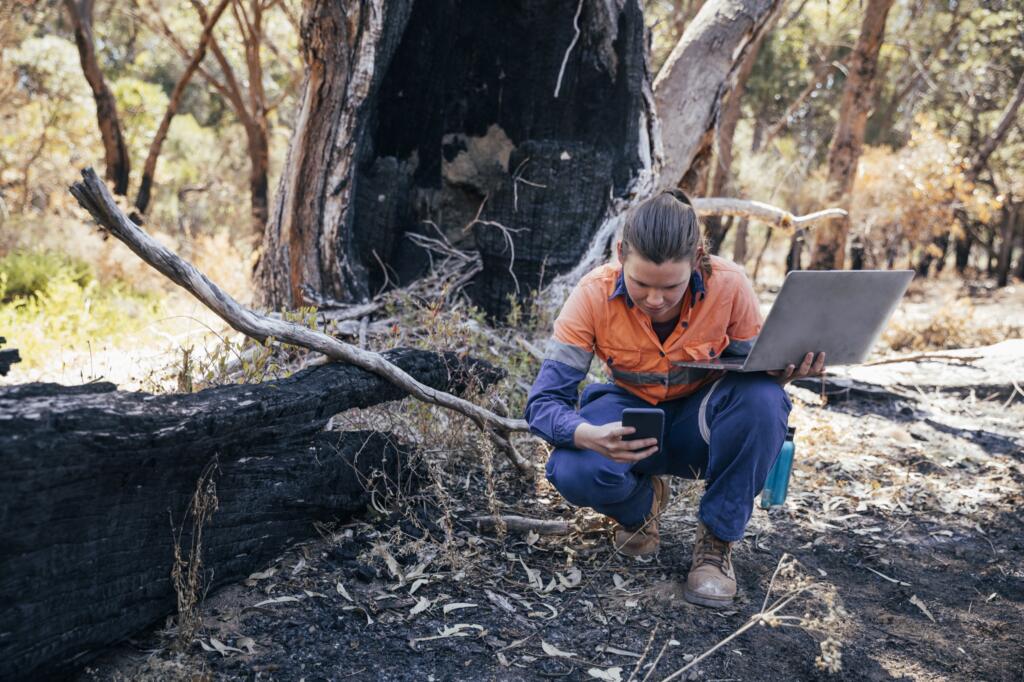
Biodiversity information management
Improving how biodiversity information is connected, accessed and applied so end users can use trusted evidence to make better decisions.
4 Projects
7 Publications
Globally informed, locally relevant and driven by end user knowledge needs.
WABSI regularly consults with the people who use biodiversity science. These include government, regulators, industry, researchers and the community, to understand the challenges they face and where critical knowledge gaps remain.
We bring diverse perspectives together to identify shared knowledge priorities to develop research programs that address the issues that matter most.
This end user-led approach helps focus research effort, reduce duplication and build knowledge that can be applied to real-world decisions.
WABSI’s 10-year vision, as set out in the WABSI Strategic Plan 2022-2032, demonstrates our commitment to being end user led, and to respond to emerging issues and key biodiversity science questions.
Current priorities reflect the biodiversity challenges and opportunities identified through WABSI’s latest end user consultation and collaboration spanning sectors and landscapes. Priorities evolve as new challenges, opportunities and evidence emerge.
Building the knowledge needed to support strategic planning, improve conservation outcomes and understand biodiversity at the scale at which decisions are made.
Understanding how biodiversity, agricultural production and changing environmental conditions interact, and how we can support productive and sustainable landscapes.
Building the evidence needed to understand and manage biodiversity impacts as Western Australia transitions to renewable energy and new infrastructure.
Improving access to reliable, consistent and usable biodiversity information so decisions can be based on the best available evidence.
Understanding how ecosystems and biodiversity are responding to a changing climate, and what can be done to strengthen resilience and support adaptation.
Developing better ways to understand, measure and account for the value of biodiversity and the impacts of decisions and activities on nature.
Findings from the latest consultation. A critical resource if you are shaping a research proposal, or undertaking a funding or policy decision around biodiversity science.
The end user priorities which are identified drive the development of WABSI research programs. Research programs tackle complex problems at scale to produce the knowledge that end users need most.
Improving how biodiversity information is connected, accessed and applied so end users can use trusted evidence to make better decisions.
Addressing critical knowledge gaps in Western Australia’s unique subterranean ecosystems to improve environmental assessment, conservation and sustainable development decisions.
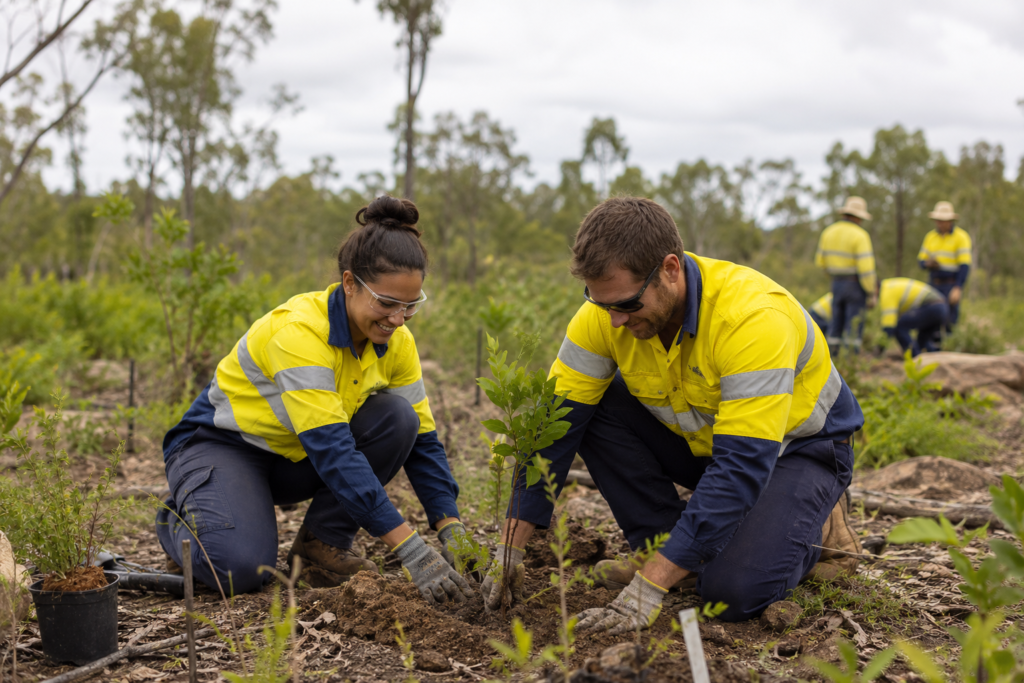
Developing knowledge to scale ecological restoration, guide investment and build a restoration economy that delivers environmental, economic and social value.

Building knowledge to help decision-makers understand biodiversity’s economic value, manage nature-related risks and identify opportunities for sustainable investment and growth.
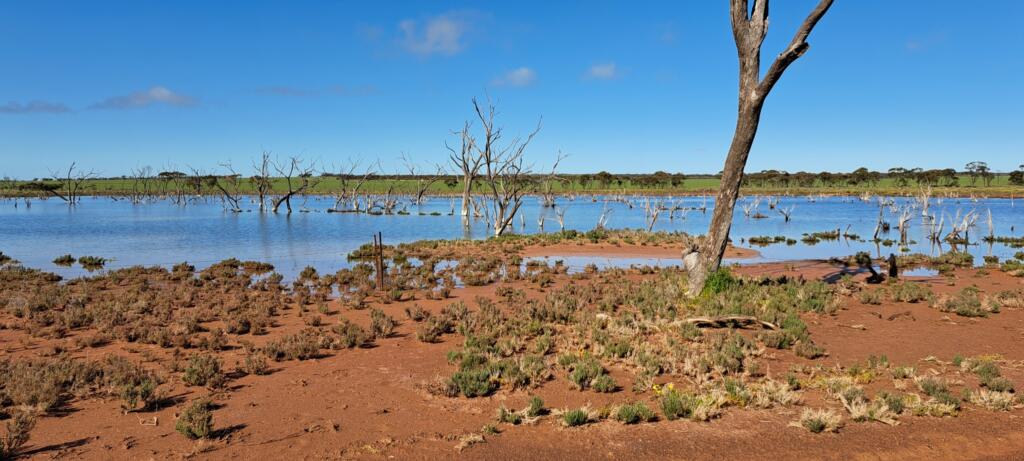
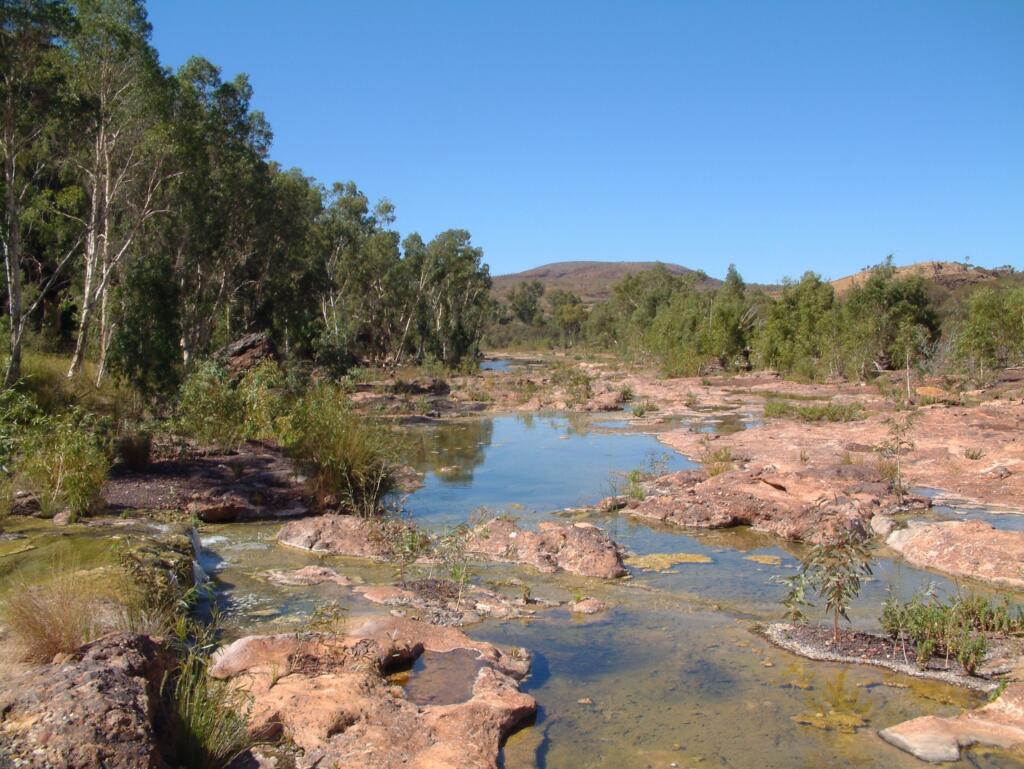
Identifying and addressing priority knowledge gaps affecting Western Australia’s inland waters, supporting biodiversity, water security and better decisions in a changing climate.
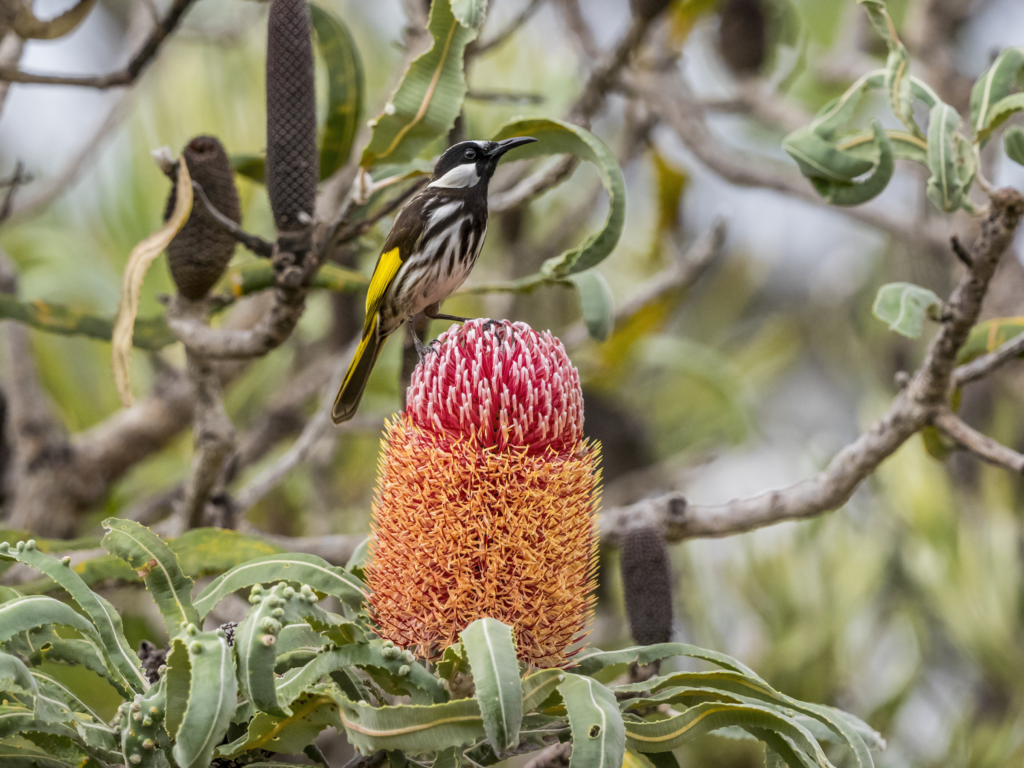
Developing evidence to help planners, governments, developers and communities integrate biodiversity into urban environments and create healthier, more resilient places.
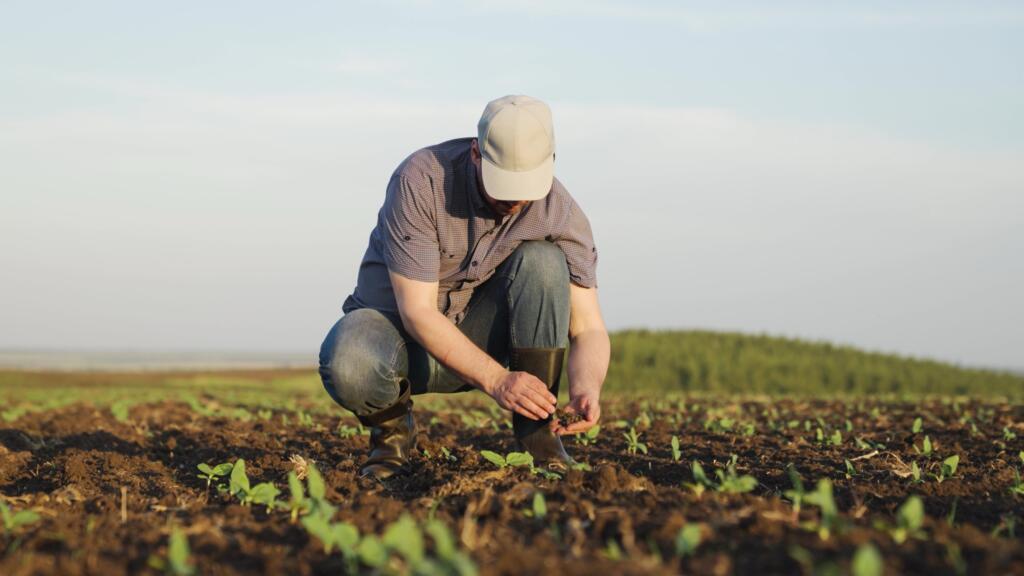
Building evidence to improve rehabilitation and closure outcomes, reduce uncertainty and support responsible resource development across Western Australia.

Coordinating targeted research to address critical knowledge gaps around feral cat impacts, management effectiveness and threatened species outcomes.
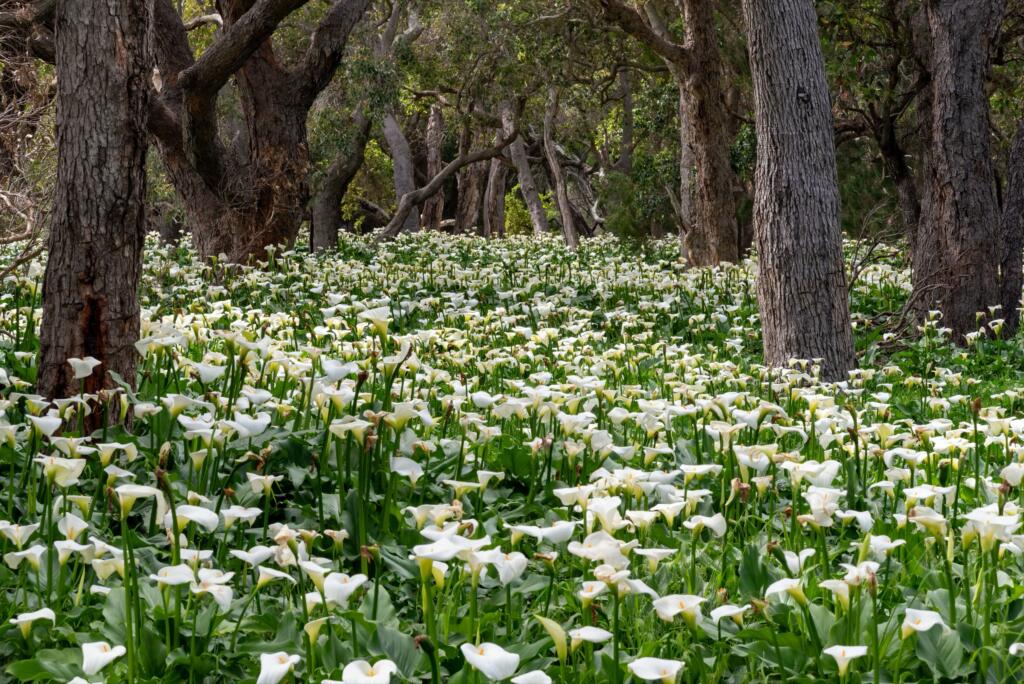
Developing knowledge to understand, prioritise and manage weed impacts, helping decision-makers target effort where it can deliver the greatest biodiversity benefit.
Align research to meet real world needs and maximise impact.