Inland waters
Connecting end user needs with prioritised research to support biodiversity, water security and better decisions for Western Australia’s inland waters.
Building knowledge for inland waters
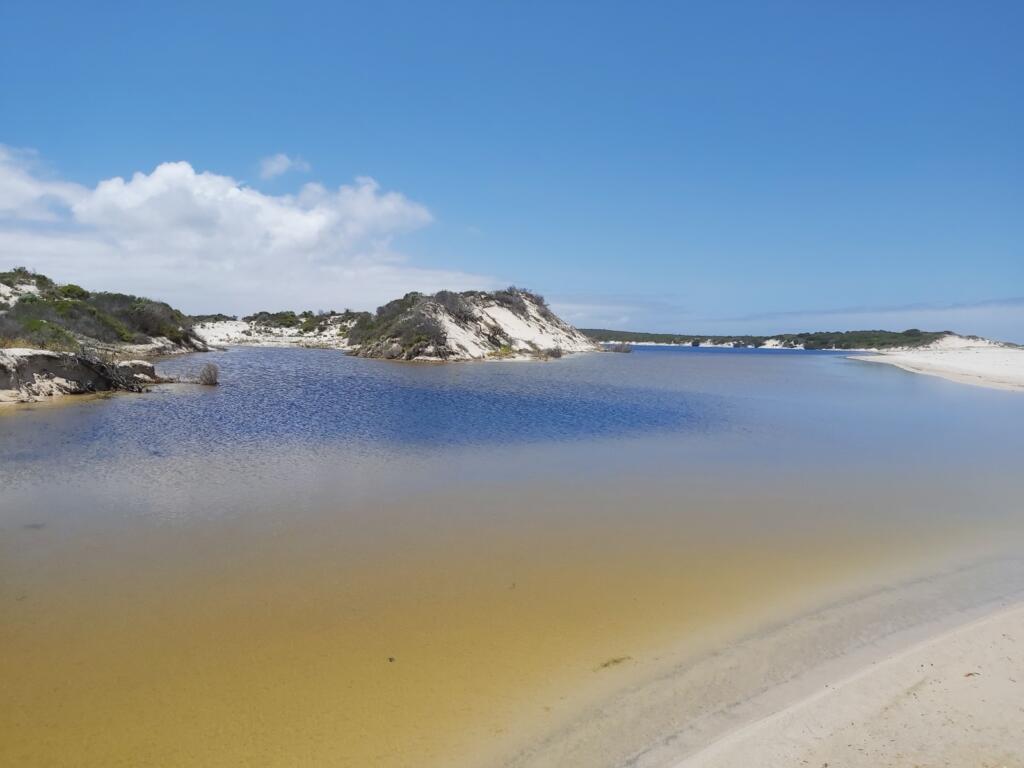
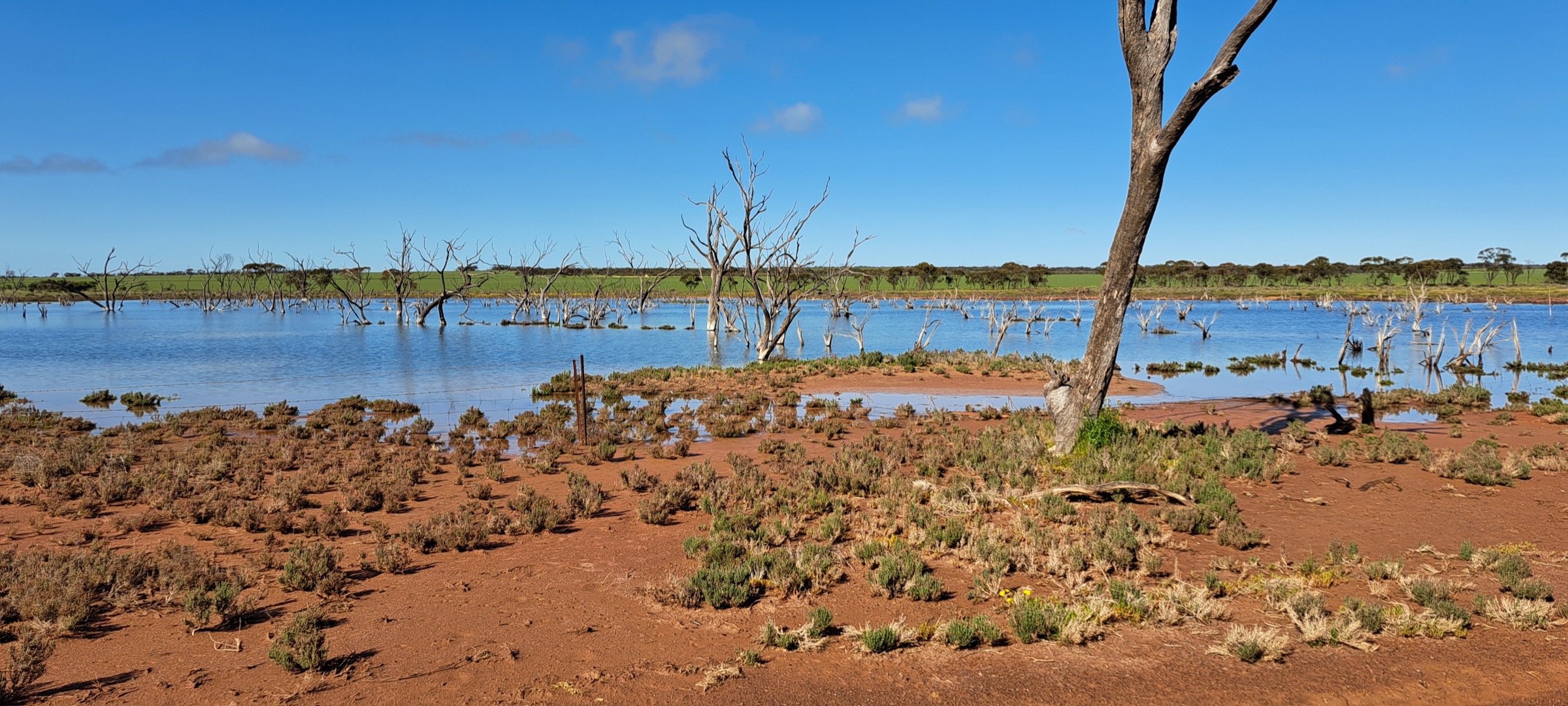
Western Australia’s inland waters are changing under increasing pressure from climate, water use and environmental change.
WABSI’s program starts with the decisions faced by water managers, government, industry and communities, identifying critical knowledge gaps and coordinating targeted research to improve understanding and management.
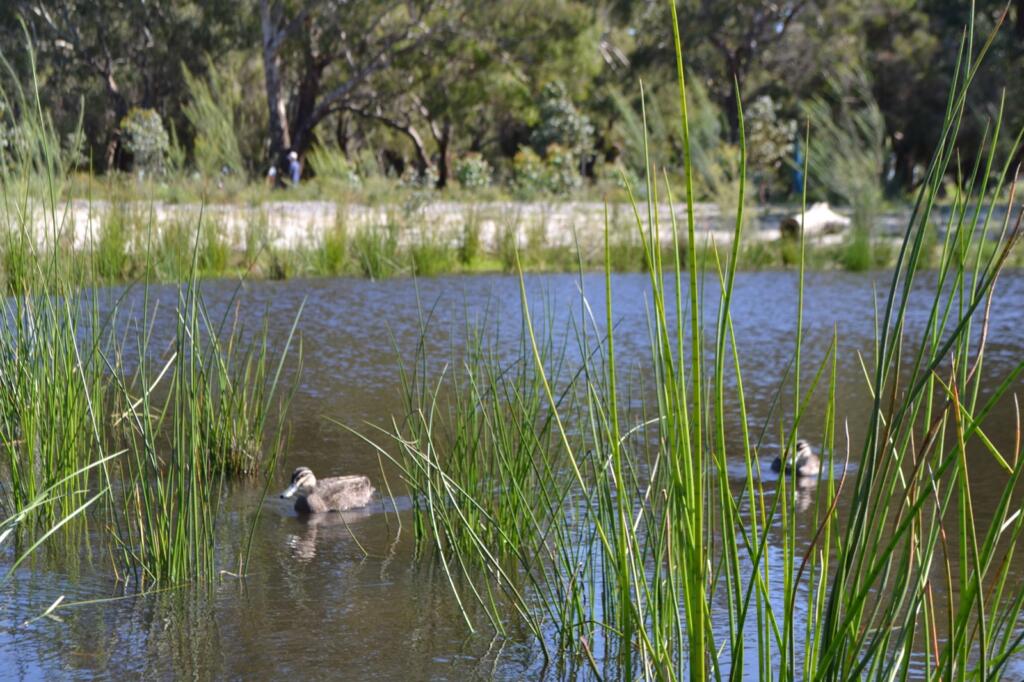
Rivers, wetlands, lakes, groundwater-dependent systems and other inland waters support biodiversity, ecological processes, cultural values and communities.
They are also increasingly affected by drying conditions, altered hydrology, changing land use and competing demands for water.
Decision-makers need better evidence about the condition and resilience of these systems, how biodiversity responds to change and where management intervention can have the greatest benefit.
Existing information is often uneven across systems and regions, making it difficult to assess cumulative change or anticipate future risks.
WABSI’s role is to work with end users to identify the knowledge needed for secure, sustainable water and biodiversity decisions.
The program develops prioritised research agendas rather than treating every knowledge gap as equally urgent.
Research can address ecosystem condition, biodiversity responses, environmental thresholds, monitoring, climate impacts and management options.
By connecting independent science with water and biodiversity decision-makers, WABSI helps build the evidence needed to manage environmental change while supporting sustainable use and economic activity.
Where the program focuses.
-
Mitigate
Reduce or offset harm and build climate change resilience.
-
Restore
Repair and regenerate ecosystems with adaptive management and novel solutions.
-
Monitor
Track threats, impacts and changes, and assess outcomes.
-
Forecast
Predict future challenges or opportunities through data-informed predictive modelling.
-
Equip
Provide necessary tools and resources for clear guidance.
-
Value
Assign worth and importance in terms of intrinsic and instrumental value.

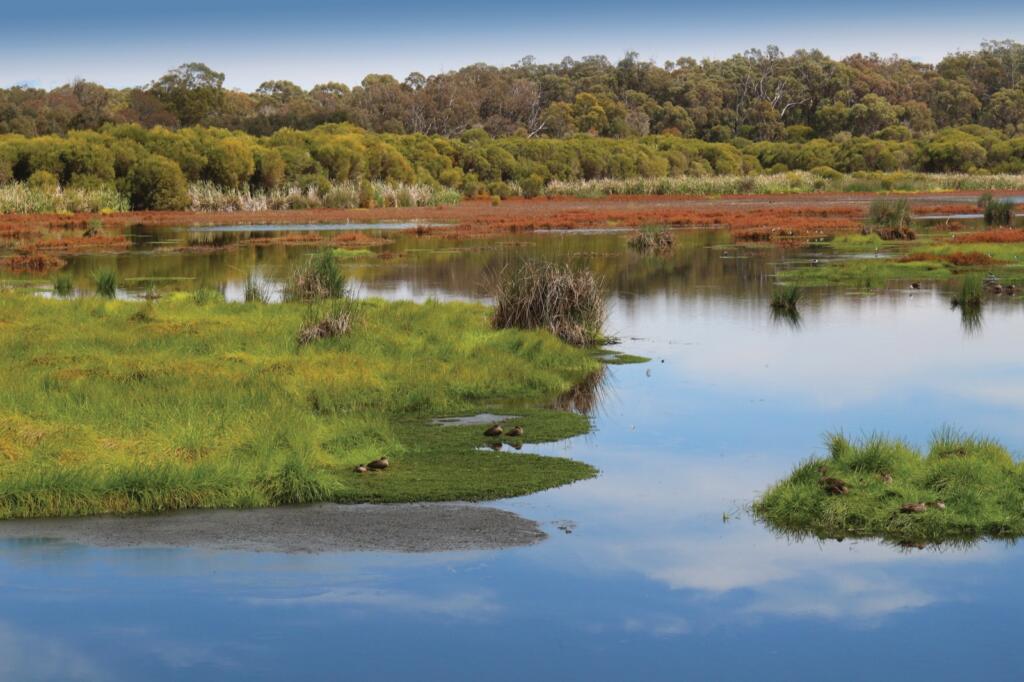
WABSI works with end users to identify the inland-water decisions where uncertainty is greatest and new evidence could have the most value.
Research priorities are developed through synthesis, consultation and scientific assessment, then coordinated across relevant expertise.
The approach connects hydrology, ecology, biodiversity science and decision-making while recognising the cultural, economic and environmental dimensions of inland water management.
Findings are translated into prioritised research programs, evidence, tools and guidance that can inform policy, planning and on-ground management.
The program also builds a shared knowledge base that can support future decisions as environmental conditions change.
What the program aims to achieve.
Close priority knowledge gaps
Focus research on questions that can materially improve inland-water and biodiversity decisions.
Improve resilience knowledge
Build evidence about how inland systems respond to climate and environmental change.
Support water security
Connect biodiversity evidence with decisions about sustainable water management.
Enable adaptive management
Improve monitoring and evidence so decisions can respond to changing conditions.
Outputs from the program.
-
 01
Inland Waters – Navigating knowledge gaps
2025 Download PDF
Other WABSI
research programs.



Help close the knowledge gaps that matter.
Effective inland-water management depends on shared knowledge across science, government, industry, Traditional Owners and communities.
WABSI provides a mechanism to identify common evidence needs, coordinate research and translate findings into decisions.
Partners can contribute local knowledge, data, research capability, decision requirements or investment.
-
Government and water managers
Identify priority decisions and evidence needs for water security, biodiversity conservation and environmental management.
-
Industry
Help define knowledge gaps where better science can reduce uncertainty and support sustainable water and environmental decisions.
-
Researchers
Connect ecological, hydrological and biodiversity expertise around priority knowledge gaps and end user needs.
-
Traditional Owners and communities
Contribute knowledge, priorities and perspectives that strengthen research relevance and outcomes.
- Direct email info@wabsi.org.au