

Addressing weed threats to biodiversity
Connecting end user needs, independent science and coordinated action to improve decisions about invasive weeds and biodiversity.
Improving weed decisions
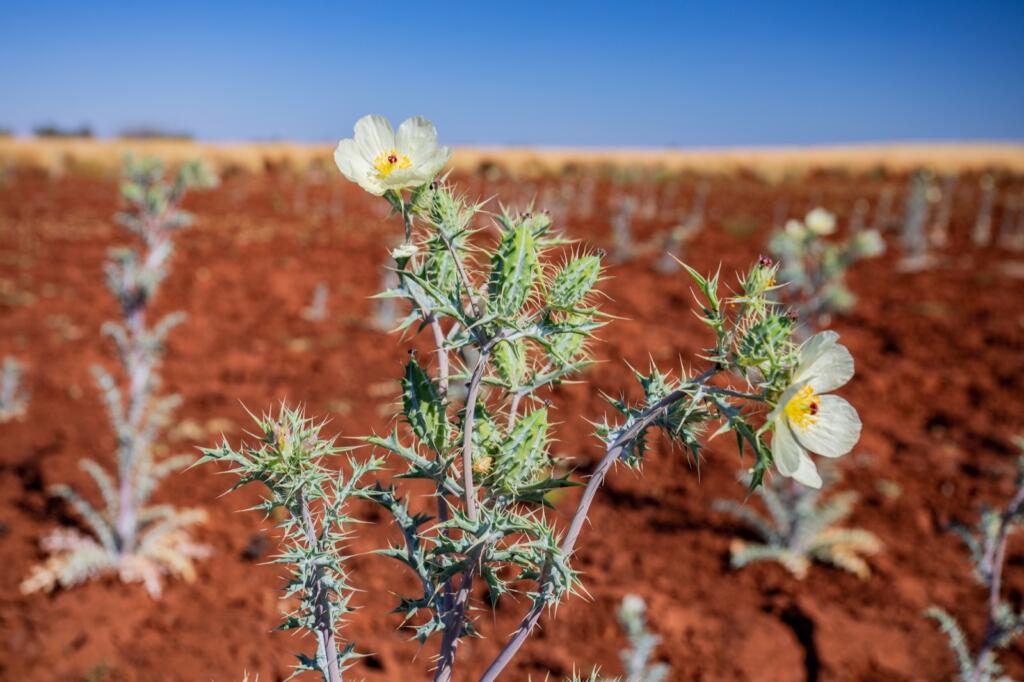
Invasive weeds can alter ecosystems, threaten native species and reduce landscape resilience.
WABSI’s program starts with the needs of people managing these risks, identifying where better science could improve prioritisation, prevention, control and recovery.
It coordinates targeted research to close critical knowledge gaps and translate evidence into practical management decisions.
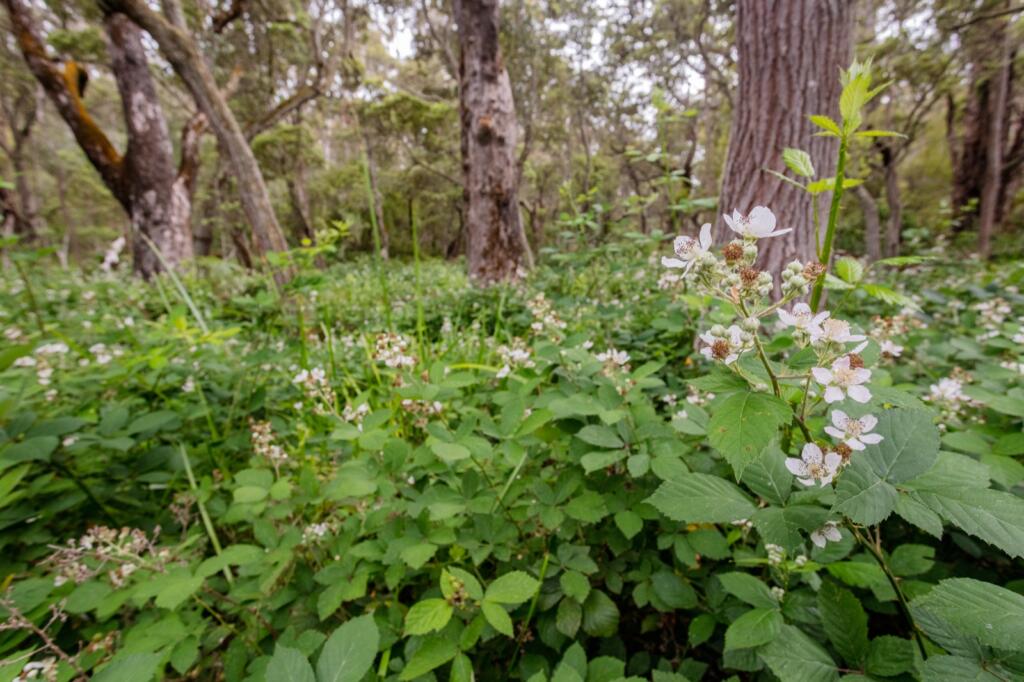
Weed management decisions are made across diverse landscapes and under different environmental, regulatory and operational conditions.
Decision-makers need to know which weeds pose the greatest biodiversity risks, where action should be prioritised, which control approaches are effective and how management interacts with restoration and ecosystem resilience.
WABSI works with end users to identify these questions rather than assuming that more research is always the answer.
The program draws together existing knowledge and stakeholder experience to identify critical gaps and develop a prioritised research agenda.
Research can address weed impacts, risk assessment, control effectiveness, landscape-scale responses and restoration following weed management.
By coordinating independent science across disciplines and organisations, WABSI helps reduce duplication and focus effort where new evidence can change decisions.
The ultimate aim is better-targeted investment and management, with measurable biodiversity benefits.
Where the program focuses.
-
Understanding biodiversity impacts
Improve evidence about how invasive weeds affect native species, ecosystems and ecological processes.
-
Risk and prioritisation
Develop approaches that help decision-makers identify where weed management can deliver the greatest biodiversity benefit.
-
Management effectiveness
Evaluate prevention, control and integrated management approaches across different ecological and operational contexts.
-
Restoration after control
Identify knowledge needed to improve ecosystem recovery following weed management.
-
Landscape-scale responses
Understand how weeds interact with climate, disturbance and landscape change to inform longer-term strategies.

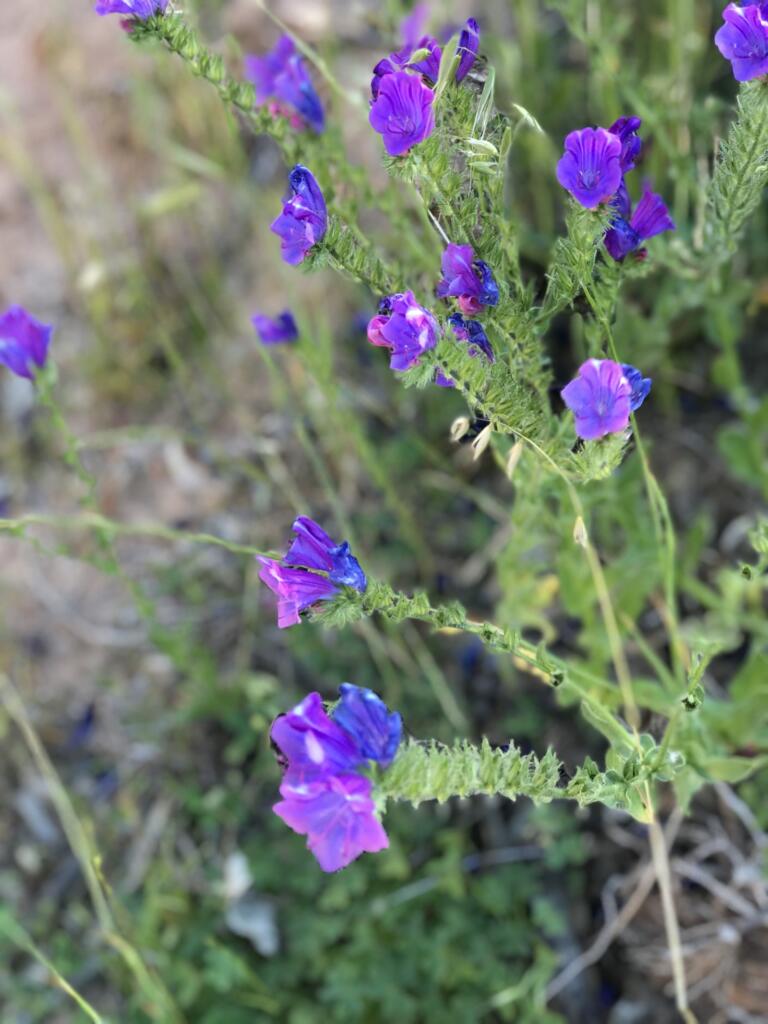
WABSI brings end users and researchers together to define priority questions, review existing evidence and coordinate targeted research.
The program combines ecological science with management knowledge and practical experience, ensuring research is designed around real decisions.
Independent science provides the evidence base, while end users help translate findings into guidance, tools and approaches that can be used in prioritisation, investment and on-ground action.
The model also builds capability by connecting organisations that hold complementary knowledge, data and expertise.
This helps shift weed management from isolated responses towards coordinated, evidence-based approaches that can be adapted across Western Australia’s diverse landscapes.
What the program aims to achieve.
Target priority gaps
Focus research effort on questions where new evidence can materially improve weed-related decisions.
Improve management confidence
Generate evidence about the likely effectiveness, feasibility and biodiversity outcomes of management options.
Support coordinated investment
Provide a shared research agenda that helps partners align effort and resources.
Translate science into action
Turn research findings into practical evidence that can be applied by decision-makers and practitioners.
Outputs from the program.
-
 01
Addressing Weed Threats to Biodiversity
2021 Download PDF
Other WABSI
research programs.


Help close the knowledge gaps that matter.
Effective weed management depends on the people who make decisions, manage landscapes and invest in action.
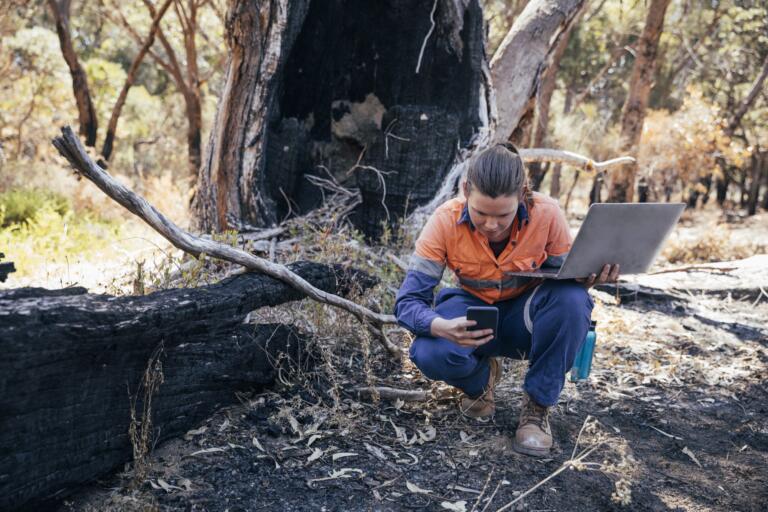
WABSI provides a mechanism for government, land managers, industry, researchers, Traditional Owners and conservation organisations to identify shared evidence needs and coordinate research.
Partners can help define priorities, contribute knowledge and data, support projects, apply research outputs and evaluate whether new evidence is changing decisions.
-
Government and regulators
Help identify policy, regulatory and investment questions where better weed science could improve biodiversity outcomes and resource allocation.
-
Land managers and practitioners
Bring operational experience into research design and help test and apply evidence in real management settings.
-
Industry
Collaborate on science that supports responsible land management, reduces biodiversity risk and improves confidence in environmental decisions.
-
Researchers
Connect specialist expertise with priority end user questions and contribute to a coordinated research agenda.
- Direct email info@wabsi.org.au