Building biodiversity for thriving urban ecosystems
Connecting biodiversity science with planning, restoration and design to help create resilient, nature-positive urban environments.
Building biodiversity into urban futures
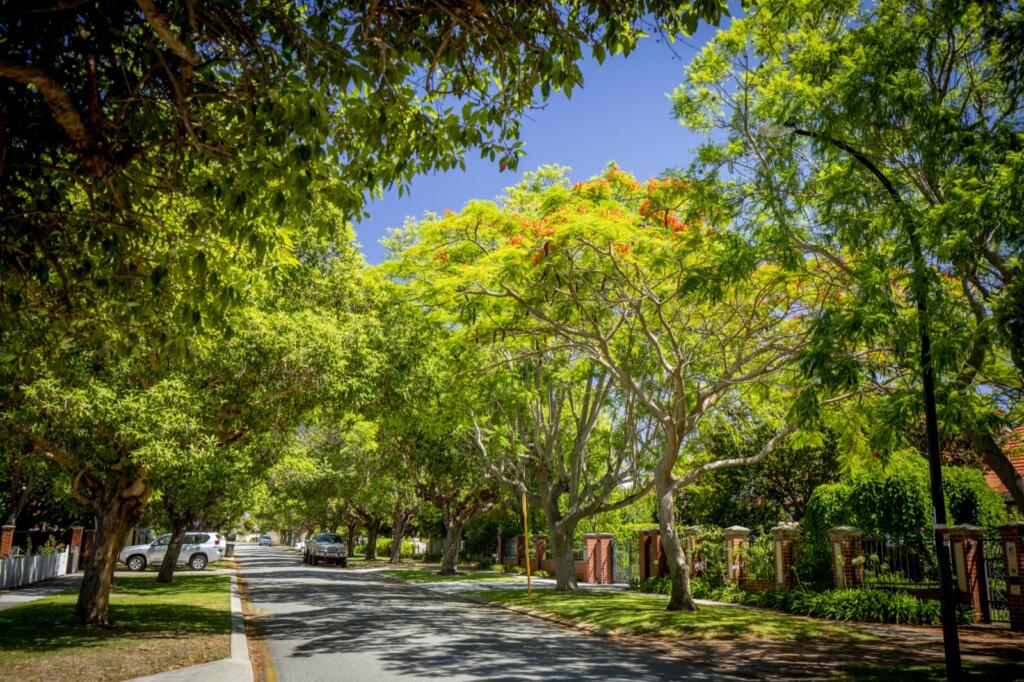
Urban growth creates decisions about land, vegetation, habitat and infrastructure that shape biodiversity for decades.
WABSI’s program starts with the needs of planners, governments, developers, practitioners and communities, identifying knowledge gaps that can improve urban biodiversity, restoration, design and management.
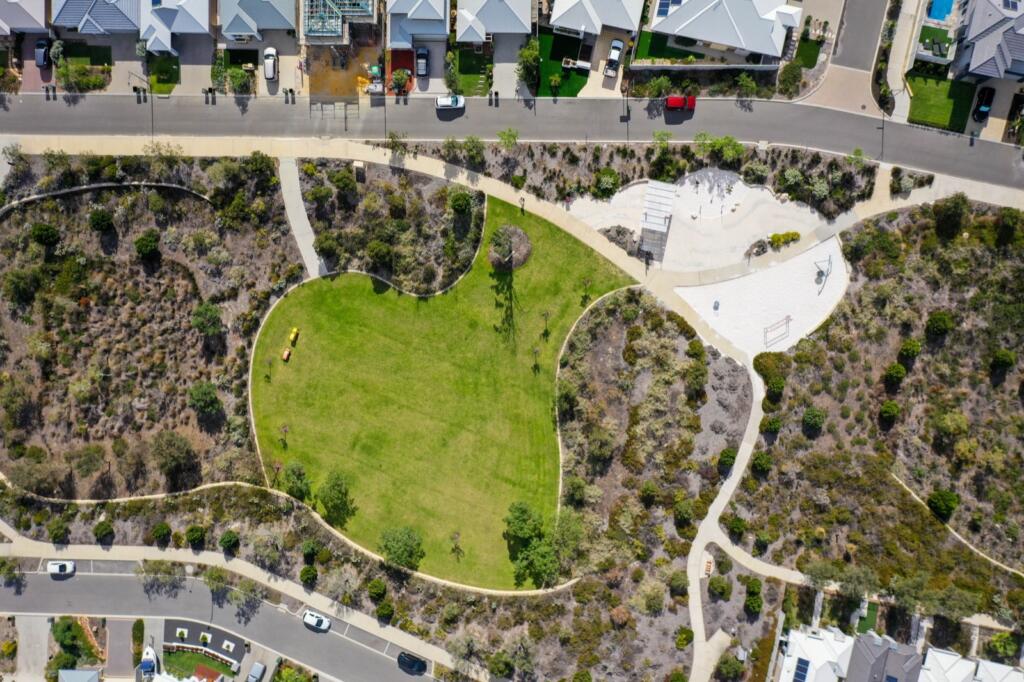
Western Australia’s towns and cities are expanding within landscapes that contain significant biodiversity values.
Urbanisation can fragment habitat, alter ecological processes and increase pressures from heat, water scarcity, disturbance and invasive species.
At the same time, urban environments provide opportunities to conserve native biodiversity, restore ecological function and create green infrastructure that benefits people and nature.
Decision-makers need evidence about what works, where it works and how outcomes can be maintained over time.
Questions include species selection, restoration methods, ecological connectivity, urban forest resilience, monitoring and the integration of biodiversity into planning and design.
WABSI works with end users to identify which uncertainties matter most, then coordinates research around priority knowledge gaps.
The program connects ecological science with planning, restoration practice and community needs.
The aim is to move beyond isolated greening projects towards connected, resilient urban ecosystems that contribute to biodiversity, climate adaptation and liveability.
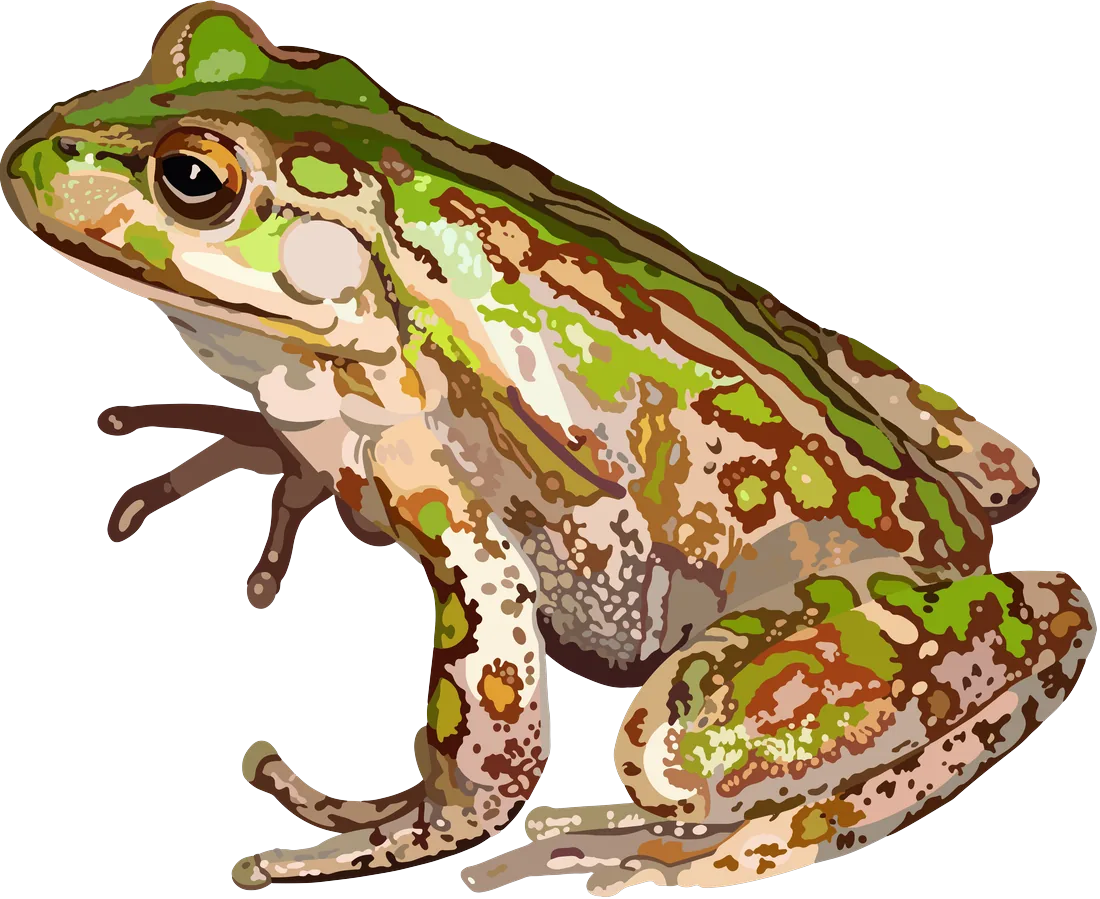
Where the program focuses.
-
Conserve
Improve evidence and approaches for retaining biodiversity and ecological function within growing urban landscapes.
-
Restore
Develop knowledge about restoration methods, species selection, establishment and long-term management in urban settings.
-
Design
Identify ways biodiversity can be integrated into urban planning, development and landscape design.
-
Equip
Build the tools, guidance, monitoring approaches and capability needed to apply urban biodiversity science in practice.

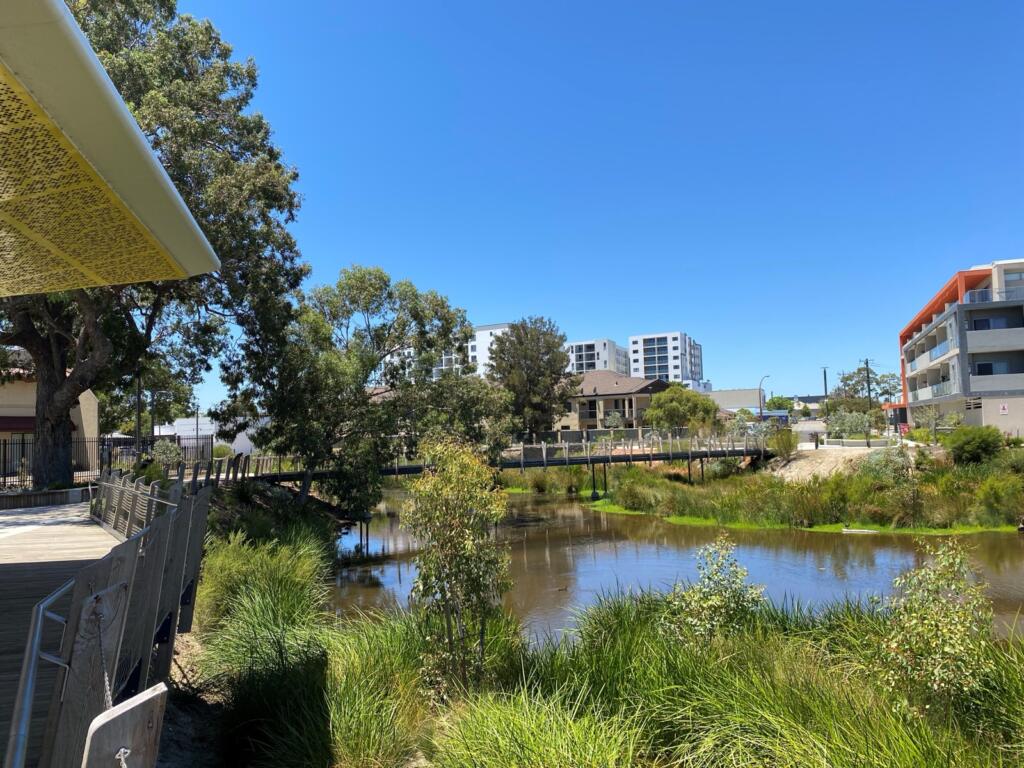
WABSI brings planners, governments, researchers, restoration practitioners, industry and communities together to define priority questions.
Research is designed around actual urban decisions and tested against practical constraints such as climate, land use, maintenance and long-term management. Independent science provides the evidence base, while end users help translate findings into guidance, tools and approaches that can be used in planning, design and restoration.
The program builds connections across sectors so lessons from one place can inform decisions elsewhere. We support stakeholders to undertake priority projects and participate in communities of practice, aligned with key strategies and programs, for example, the Western Australian Government’s Urban Greening Strategy and the WA Local Government Association’s climate Ready Tree Trials project.
By linking science with implementation, WABSI helps create urban environments that are better for biodiversity and more resilient for people.
What the program aims to achieve.
Strengthen urban biodiversity
Build evidence that supports conservation and ecological function within urban landscapes.
Improve restoration outcomes
Identify approaches that increase the likelihood of successful, resilient urban restoration.
Enable biodiversity-sensitive design
Support planning and development decisions that integrate biodiversity from the outset.
Build implementation capability
Develop practical guidance, tools and knowledge that help organisations apply science.
Outputs from the program.
-
 01
Building biodiversity for thriving urban ecosystems
2023 Download PDF
Other WABSI
research programs.
Help close the knowledge gaps that matter.
Creating thriving urban ecosystems requires collaboration between the organisations that plan, build, manage and inhabit them.
WABSI provides a platform for local and state government, planners, researchers, developers, landscape professionals and communities to identify shared evidence needs and coordinate research.
-
Government and local government
Partner on evidence that supports biodiversity-sensitive planning, urban resilience, restoration and investment decisions.
-
Developers and industry
Collaborate on approaches that integrate biodiversity into development, design and environmental management.
-
Researchers and practitioners
Connect ecological expertise with planning and restoration priorities to develop research with practical impact.
-
Communities
Bring local knowledge and perspectives into research and help shape places where people and biodiversity can thrive.
- Direct email info@wabsi.org.au