Biodiversity information management
Turning biodiversity data into trusted intelligence that supports better decisions for Western Australia’s environment and economy.
From data to better decisions
Good decisions need good information.
Western Australia generates vast amounts of biodiversity data through research, monitoring, environmental assessment and land management. But information can be difficult to find, connect and use.
WABSI brings end users and researchers together to identify where information gaps are limiting decisions, then develops and coordinates targeted research, data and analytics capability to turn fragmented information into trusted evidence.

Biodiversity information is growing rapidly. But more data does not necessarily mean better decisions.
Information can sit across different organisations, systems and disciplines, with different standards, formats, access arrangements and levels of quality. This makes it difficult to bring information together, understand what it means and apply it to complex environmental decisions.
For government, industry, researchers and land managers, the result can be uncertainty, duplicated effort and missed opportunities to make better use of existing knowledge.
WABSI starts with the decision that needs to be made.
We work with end users to identify what information is needed, what is already available and where the critical gaps lie. We then connect the science, data, technology and expertise needed to address those gaps.
The goal is not simply to collect more data. It is to create trusted, usable intelligence that can answer real questions, test scenarios and support action.
Initiatives such as the Shared Environmental Analytics Facility (SEAF) demonstrate what this can look like in practice: connecting data, models and analytics in a secure, shared environment to support more consistent, transparent and confident environmental decision-making.
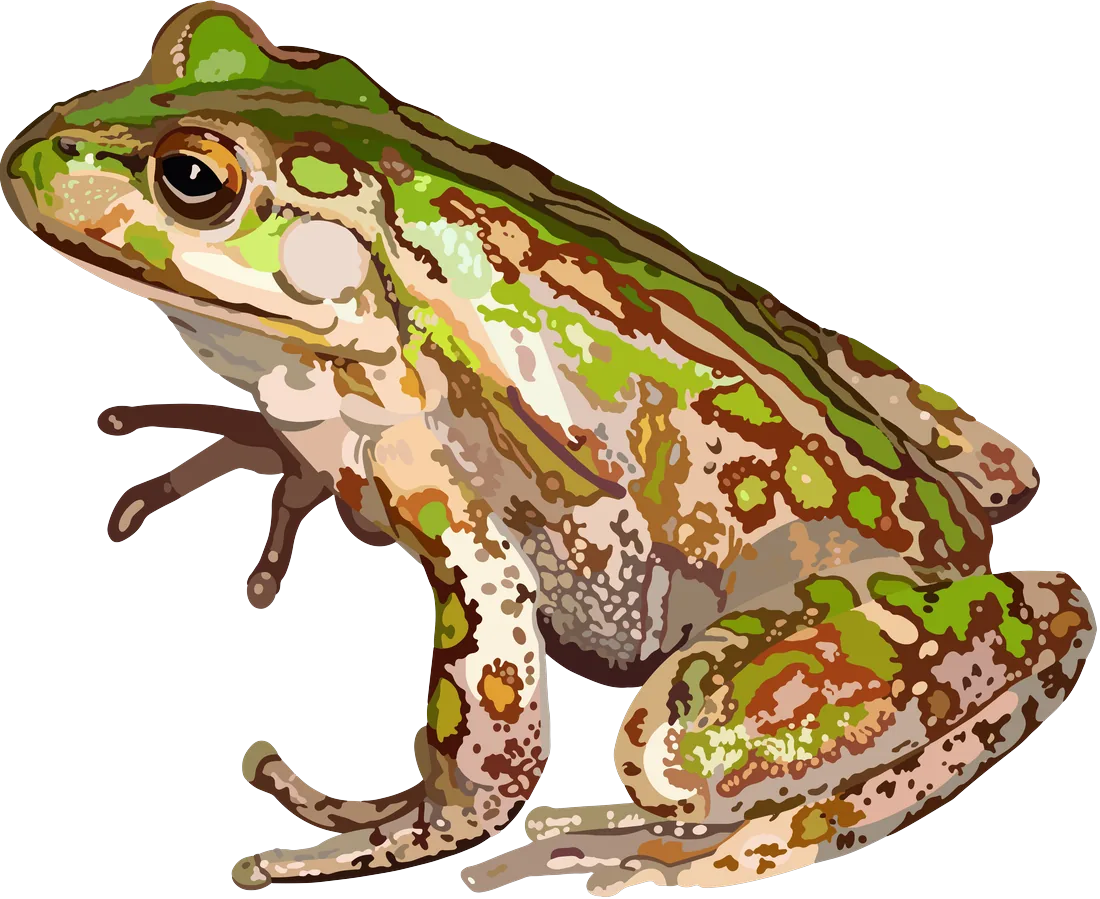
Where the program focuses.
-
Connect the data
Make biodiversity information easier to find, access and bring together across organisations, systems and disciplines.
-
Build trust in information
Improve data quality, consistency, transparency and governance so users can understand where information comes from and how it can be used.
-
Turn data into intelligence
Develop analytics, modelling and visualisation capability that transforms complex biodiversity information into clear insights, scenarios and evidence.
-
Share capability
Create shared infrastructure, expertise and approaches that enable organisations to work together rather than solve the same information challenges independently.
-
Build for the future
Strengthen the skills, systems and partnerships Western Australia needs to manage increasingly complex environmental information and decision-making challenges.

Start with the decision. Build the intelligence around it.
WABSI works with the people who need to make decisions about biodiversity to understand the questions they are trying to answer and the uncertainty they face.
From there, we identify the data, science, analytical capability and infrastructure needed to provide better evidence.
We bring together organisations with complementary expertise and capabilities, creating opportunities to share data, methods, models and knowledge while maintaining appropriate governance and security.
Independent science remains at the heart of the approach. Technology enables the science to be connected, analysed and applied.
The result is more than a dataset or research output. It is a pathway from data to insight, insight to evidence, and evidence to decision.
Through initiatives such as SEAF, this approach is already demonstrating how shared environmental intelligence can support cumulative assessment, environmental approvals and long-term planning. (SEAF)
What the program aims to achieve.
Make information easier to use
Help decision-makers find, understand and apply the biodiversity information they need, when they need it.
Reduce uncertainty
Connect trusted data and independent science to improve confidence in environmental assessment, planning and management decisions.
Enable shared intelligence
Create opportunities for organisations to work from common information, models and analytical approaches.
Build decision-making capability
Strengthen Western Australia’s data, science and analytics capability to respond to environmental change and emerging biodiversity challenges.
Outputs from the program.
-
 01
Supporting nature positive outcomes – Shared Environmental Analysis and Reporting
2023 Download PDF -
 02
Capabilities for a national supply chain of environmental information – The Shared Analytic Framework for the Environment (SAFE 2.0)
2023 Download PDF -
 03
Shared Environmental Analytics Facility: Unlocking value from shared data and analytics
2022 Download PDF -
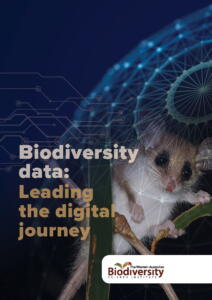 04
Leading the digital journey
2022 Download PDF -
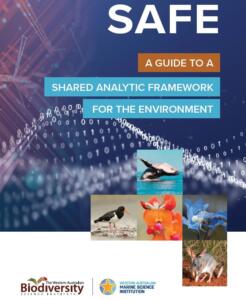 05
A Guide To A Shared Analytic Framework for the Environment
2021 Download PDF -
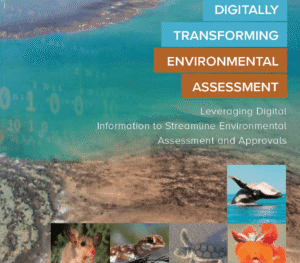 06
Digitally Transforming Environmental Assessment
2019 Download PDF -
 07
Remote sensing of native vegetation extent and condition
2019 Download PDF
Explore the projects.
-
Project
IBSA: Index of Biodiversity Surveys for Assessments
Biodiversity surveys generate valuable information for environmental assessment, but that value increases when data can be accessed, combined and reused.
-
Project
SAFE: Shared Analytic Framework for the Environment
Environmental decisions depend on a complex chain of data, analysis and reporting capabilities.
-
Project
SEAF: Shared Environmental Analytics Facility
Environmental data is often held by different organisations, in different systems and under different conditions of access and use.
-
Project
Remote sensing of native vegetation extent and condition
Western Australia needs reliable information about where native vegetation remains, how its condition is changing and where losses are occurring.
Other WABSI
research programs.

Help close the knowledge gaps that matter.
Information challenges cross organisational boundaries, so solving them requires collaboration.
WABSI works with government, industry, researchers, data custodians and technology specialists to identify shared needs and build capability.
Partners can contribute data, technical expertise, decision requirements, investment or opportunities to test and apply new approaches.
-
Government and regulators
Identify information and analytics needs that affect assessment, planning, policy and environmental management decisions.
-
Industry
Help define practical information needs and collaborate on approaches that improve environmental decision-making and reduce uncertainty.
-
Researchers and data custodians
Connect datasets, methods and expertise to improve the availability and usefulness of biodiversity information.
-
Technology and analytics partners
Work with WABSI and end users to translate data and scientific capability into decision-support solutions.
- Direct email info@wabsi.org.au