Bringing knowledge systems together
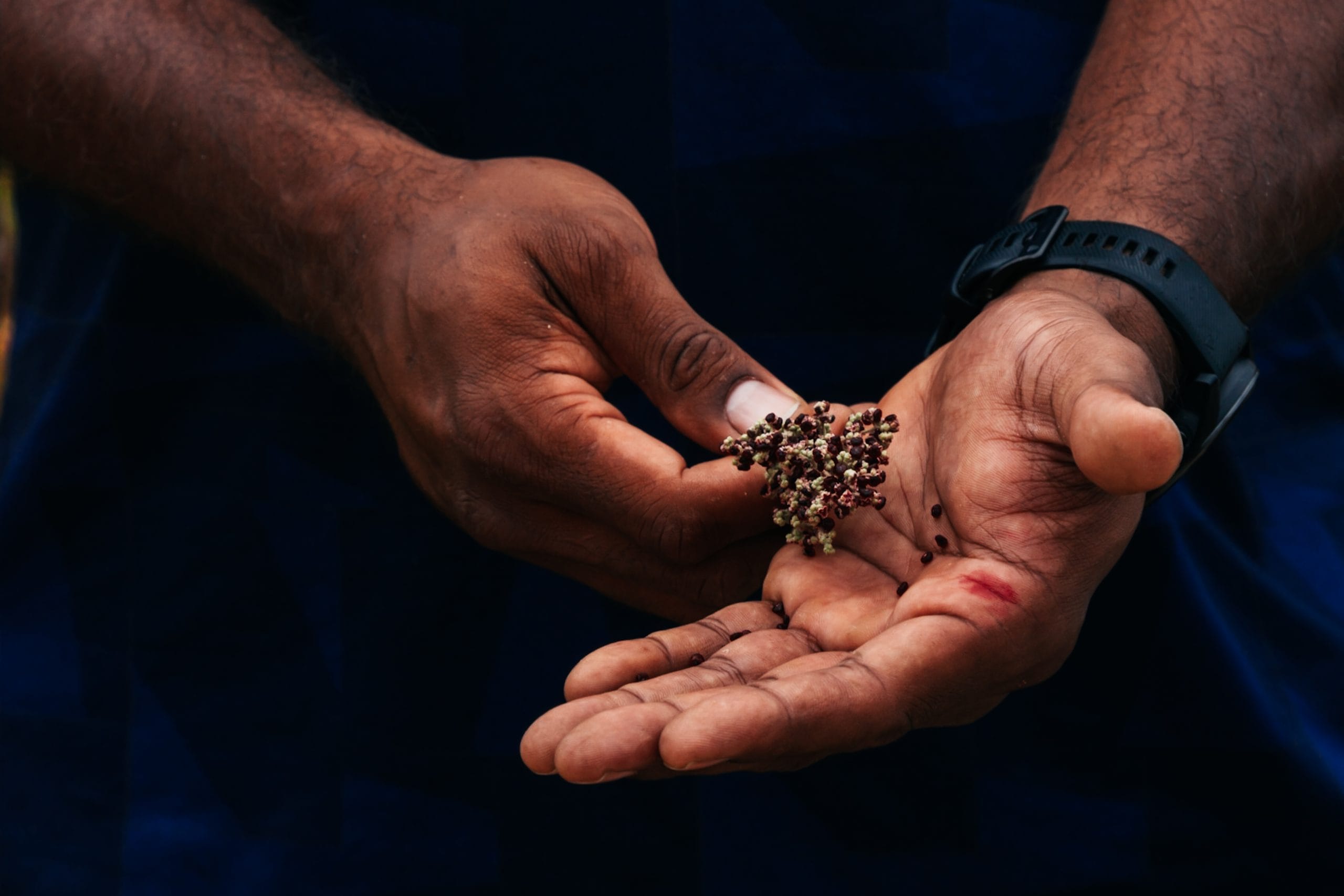
First Nations peoples have cared for and managed Country for thousands of generations, with valuable insights into species, ecosystems, seasonal change, fire, water and landscape health.
WABSI’s vision is to bring together diverse knowledge to protect and conserve Western Australia’s unique biodiversity. Respectful collaboration with Traditional Owners is an important part of achieving this vision.
Different ways of knowing.
Aboriginal and Torres Strait Islander Peoples hold deep knowledge of Country, built through generations of observation, practice, care and connection to land and waters.
When Traditional Knowledge is respected and brought together with contemporary science, it can provide a stronger understanding of biodiversity and help inform better ways to care for Country.
Bringing different ways of knowing together, where appropriate and with the consent and leadership of Traditional Owners, we can build a more comprehensive understanding of Country and support better environmental, cultural and social outcomes.
Combined knowledge, better decisions, better outcomes for nature.
Deep knowledge of Country
Traditional Knowledge can reveal patterns, relationships and changes in Country that may not be captured through conventional scientific monitoring alone. It can help build a richer understanding of biodiversity and ecosystem health.
Better conservation and management
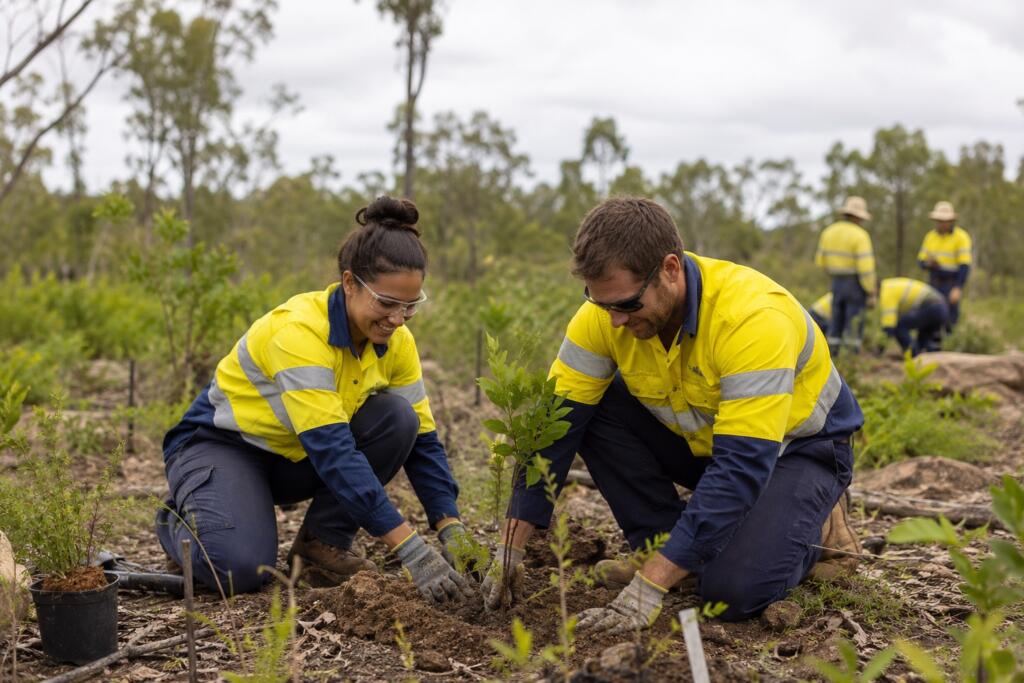
Combining Traditional Knowledge with contemporary science can support approaches that are more relevant to place, culture and Country, from fire management and restoration to protecting species and adapting to environmental change.
Creating opportunities for collaboration to identify shared questions.
WABSI’s role is to help create opportunities for collaboration between Traditional Owners, researchers and the people making decisions about biodiversity. This can help identify shared questions, support co-designed research and ensure knowledge is used appropriately.
For example, traditional burning practices and cultural land management knowledge can provide important insights for contemporary approaches to managing fire and biodiversity. WABSI’s research priorities have identified the need for greater guidance on how Traditional Knowledge can be incorporated into research and co-design to improve conservation outcomes.
Bringing knowledge systems together requires more than sharing information. It requires genuine relationships, respect, appropriate governance and recognition that some knowledge is culturally sensitive and belongs to its custodians.
Complex questions can be better answered through combined knowledge.
-
Understanding Country
Traditional Owners bring long-held knowledge of places, species, seasons, landscapes and changes in Country. Scientific research can add new ways to measure, test and understand these observations.
-
Protecting biodiversity
Traditional knowledge of species, habitats and ecological relationships can complement scientific surveys and monitoring, helping build a more complete picture of biodiversity.
-
Responding to change
Combining different knowledge systems can help us understand how Country is changing and identify ways to strengthen the resilience of ecosystems and communities.
-
Managing fire
Cultural burning practices and contemporary fire science can be brought together to develop approaches suited to particular landscapes, biodiversity values and cultural priorities.
Knowledge sharing starts with relationships.
Effective collaboration
Recognise Indigenous rights and cultural authority, protect sensitive knowledge and involve Traditional Owners in decisions about whether, how and where knowledge is shared and used.
Building relationships early
Listen to Traditional Owners and create space for Traditional Knowledge to help shape the questions being asked.