

Identifications of a variety of subterranean fauna
The Pilbara may hold around 1,800 species of underground animals, yet only 270 have been formally described. Two research fellows are naming and describing new pseudoscorpion and amphipod species, giving scientists the evidence needed to understand and protect this hidden biodiversity.
The Pilbara is home to an estimated 1,800 subterranean species, but only 270 new species have been formally described. Genetic data alone is not enough to define a species, and it needs to be backed by physical descriptions. However, few experts are available to do this work. To help fill the gap, two Postdoctoral Research Fellows were appointed to carry out detailed species-level work on pseudoscorpions and subterranean amphipods, a group of small crustaceans, from the Pilbara region.
Each species has been formally described, with genetic data where possible, images, illustrations, collection locations and a distribution map. Pseudoscorpions: 18 new Hyidae species in the Pilbara, plus new species in Cape Range and the Kimberley; new Atemnidae and Olpiidae species; and 17 new Syarinidae species. Chthoniidae work continues, with 20 species characterised. Amphipods: five new Pilbarana species, identified through genetic and geographic evidence because physical differences were minimal, and one new Aenigmata species.
Outputs from the program.
-
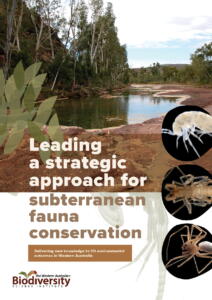 01
Leading a strategic approach for subterranean fauna conservation
2022 Download PDF -
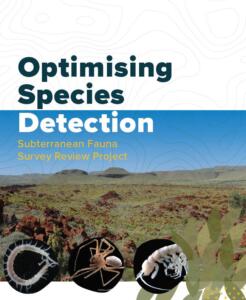 02
Survey Review Project Report, Subterranean Fauna Research Program
2021 Download PDF -
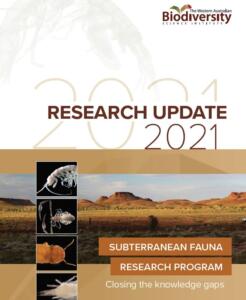 03
Research update 2021: Subterranean Fauna Research Program
2021 Download PDF -
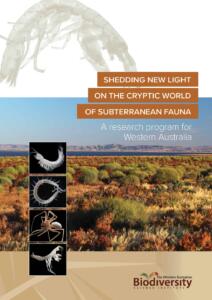 04
Subterranean Fauna: A research program for Western Australia
2018 Download PDF

More from this program.
-
Program
Subterranean fauna
Addressing critical knowledge gaps in Western Australia’s unique subterranean ecosystems to improve environmental assessment, conservation and sustainable development decisions.
-
Project
Assessing stygofaunal resilience
Understanding how stygofauna respond to environmental change is critical to assessing and managing impacts on groundwater ecosystems.
-
Project
Taking eDNA underground
Environmental DNA (eDNA) offers a new way to detect and monitor subterranean fauna without relying solely on traditional specimen-based approaches.