Our people and governing structures
Our executive team delivers WABSI’s day-to-day operations, guided by the Collaboration, Leverage and Integration Committee and WABSI Board of Directors.
The WABSI Participant Council comprises senior members of our joint venture partner organisations and maintains oversight of the WABSI operations and governance.
The team delivering
the work.
A small team with deep expertise that brings together end users, researchers and funders around biodiversity knowledge gaps.
-
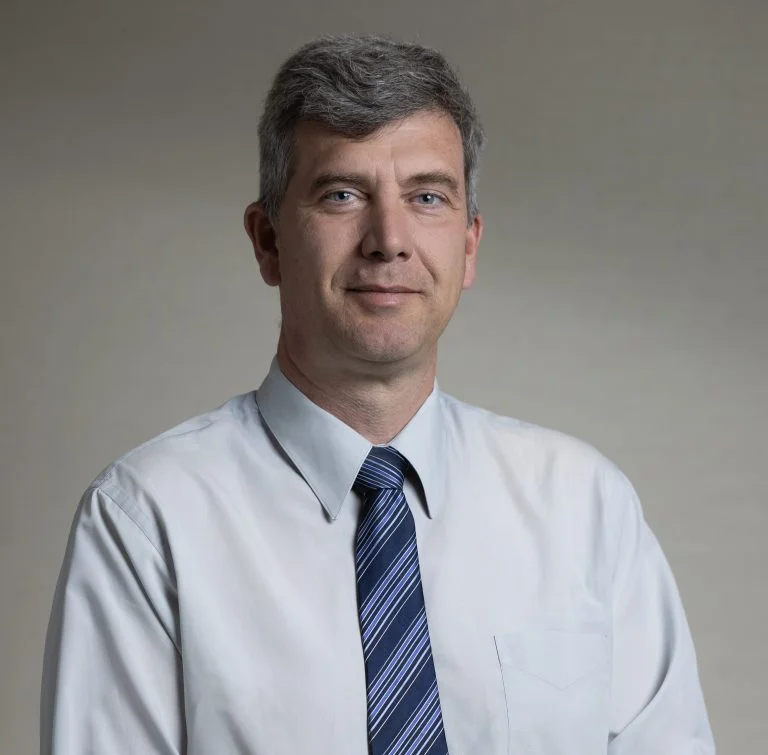
Professor Owen T Nevin
Chief Executive Officer
Owen is an experienced conservation biologist and research leader. As a population and behavioural ecologist with more than 20 years’ experience in the conservation and management of large carnivores globally, Owen has extensive experience in senior leadership in higher education and research. Previous positions include Head of the National School of Forestry (UK), Dean of Graduate Research, and, most recently, Associate Vice-Chancellor at CQUniversity Australia. Owen is the Independent Chair of the Port Curtis Integrated Monitoring Program and Associate Editor of Ursus. He holds an Adjunct Professorship at CQUniversity. Owen held the prestigious position of Stokes-Leopold Memorial Scholar at Utah State University from 2002 to 2003. In 2003 he was elected to the Society for Conservation Biology’s European Board where he served for six years and later served on the Global Board of Governors from 2010 to 2013. In 2008 he was elected as a Fellow of the Zoological Society of London and 2017 was appointed as Anniversary Visiting Professor of Conservation Biology at the University of Cumbria. Much of Owen’s research work has been focused around advancing the conservation of threatened species and their habitats through developing better management and understanding of behaviour and ecosystem function, and human impacts including ecotourism and resource exploitation. In conducting this work, he has applied a combination of behavioural, spatial and economic tools to gain novel insights into population processes. Techniques applied in these studies range from satellite telemetry and spatial modelling, through to remote camera trapping, genetic sampling, and direct ethological observation. Owen holds a BSc (Hons) in Biology and Ecology from the University of East Anglia (UK) and a PhD in Wildlife Ecology from Utah State University (USA).
-
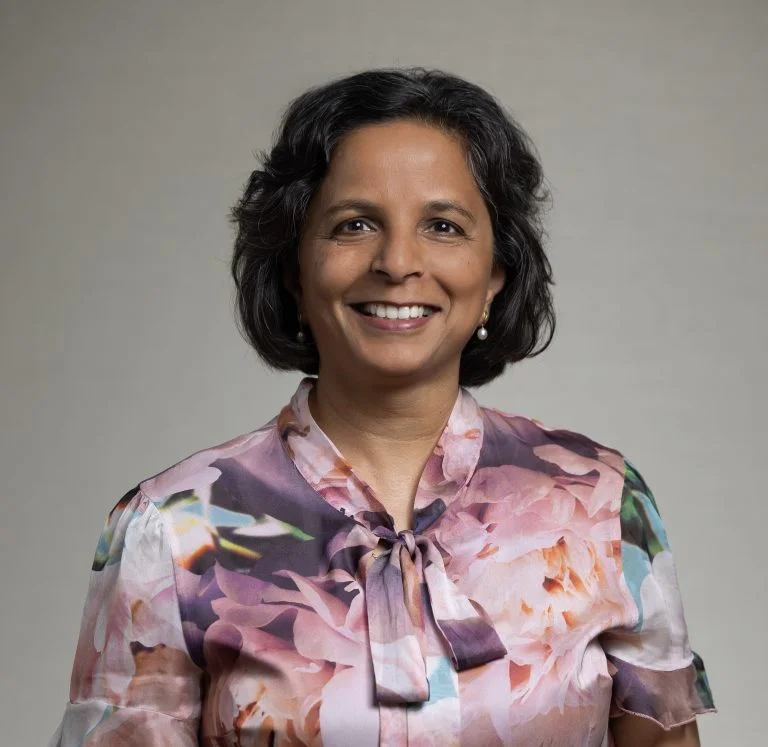
Preeti Castle
Strategic Engagement Director
Preeti has extensive experience in building brand reputation through stakeholder engagement, partnership development, advocacy and strategic communication. As the Strategic Engagement Director at The Western Australian Biodiversity Science Institute (WABSI), Preeti has been instrumental in developing and sustaining the WABSI brand as a trusted collaboration mechanism. In the role, Preeti develops strategies to help build an engaged and informed stakeholder base, and to make scientific knowledge accessible and understood by end users of biodiversity science. Preeti has worked with several international and national organisations across financial services, science, technology and environment, and established a niche consulting firm that specialised in developing strategies to communicate scientific and technological concepts with clarity. In addition to her role at WABSI, Preeti holds the International Engagement portfolio on the National Council of the Australian Science Communicators, is a Board Member of the Society for Ecological Restoration Australasia and previously served as a Board Member and the Deputy Chair of the Munda Biddi Trail Foundation. Preeti has a Bachelor of Arts in Communications, an M.B.A. from The University of Western Australia and is a Graduate of the Australian Institute of Company Directors.
-
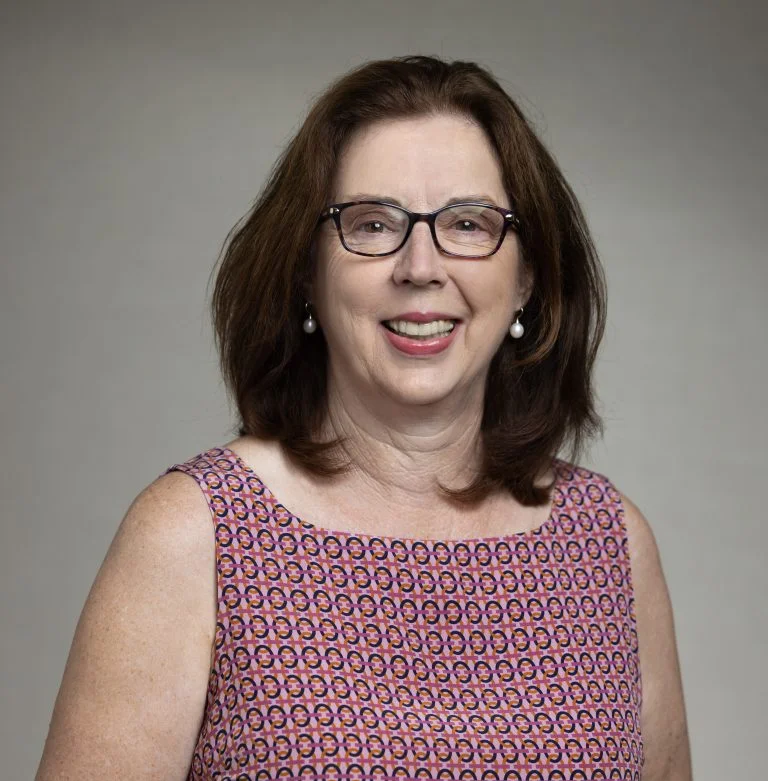
Eilin Mangan
Executive Assistant
Eilin has extensive experience providing high level executive and administrative support to senior executives. Her strong administrative background covers education, information technology and banking. Eilin’s previous roles include that of Executive Assistant at the Energy and Minerals Institute’s International Mining for Development Centre, as well as positions in the Vice-Chancellery, Public Affairs and the School of Business at University of Notre Dame, Fremantle and Vice-Chancellery at The University of Western Australia. She has lived and studied in Aix-en-Provence in France and travelled extensively in Europe and Africa.
-
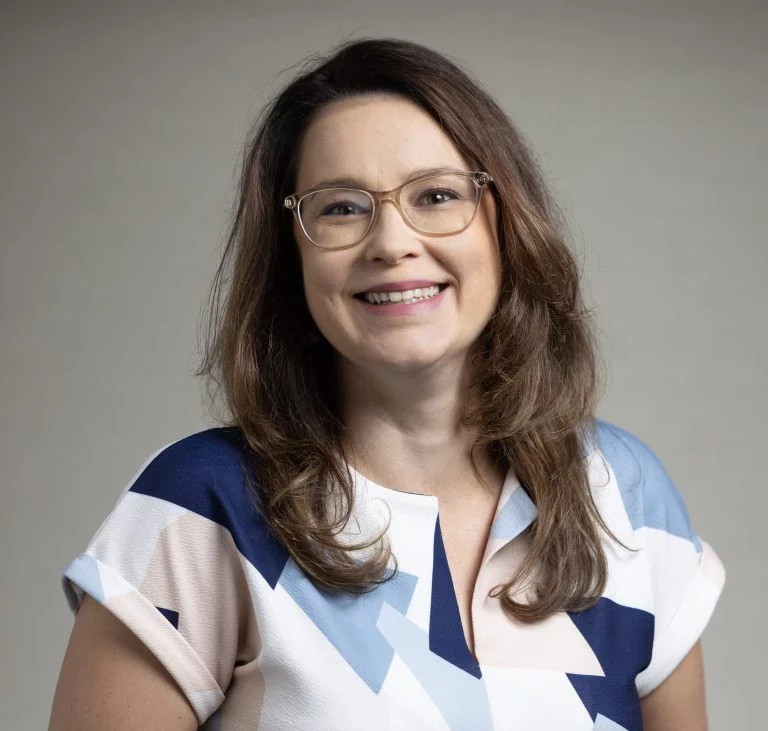
Dr Renee Young
Program Director, Conservation and Restoration
Renee is an experienced manager and environmental scientist specialising in ecological restoration, with projects showcased at The UN Climate Change Conference (COP28, COP26) and UN Biodiversity Conference (COP 15). Working with government, industry and research, Renee collaborates widely to ensure outputs are applied and readily implementable. Renee has led and contributed to a number of key publications to support restoration outcomes including the International Principles and Standards for the Ecological Restoration and Recovery of Mine Sites (global); Guidelines for embedded experiments in ecological restoration and management in Australia (national) and The Western Australian Restoration Economy: A roadmap towards a sustainable industry with better environmental outcomes (state). Renee completed her PhD at Kings Park in Western Australia before managing a large botanical team at a leading environmental consultancy. Renee returned to the academia space to manage the ARC Centre for Mine Site Rehabilitation bringing experience in managing large and complex projects before joining WABSI. Renee holds a number of additional professional positions including Society for Ecological Restoration Australasia (Board member); DEMIRS Mining Rehabilitation Advisory Committee (Chair); DPIRD Soil and Land Conservation Council (Council member); and UWA Centre for Environmental Economics and Policy Advisory Committee (Committee member).
-
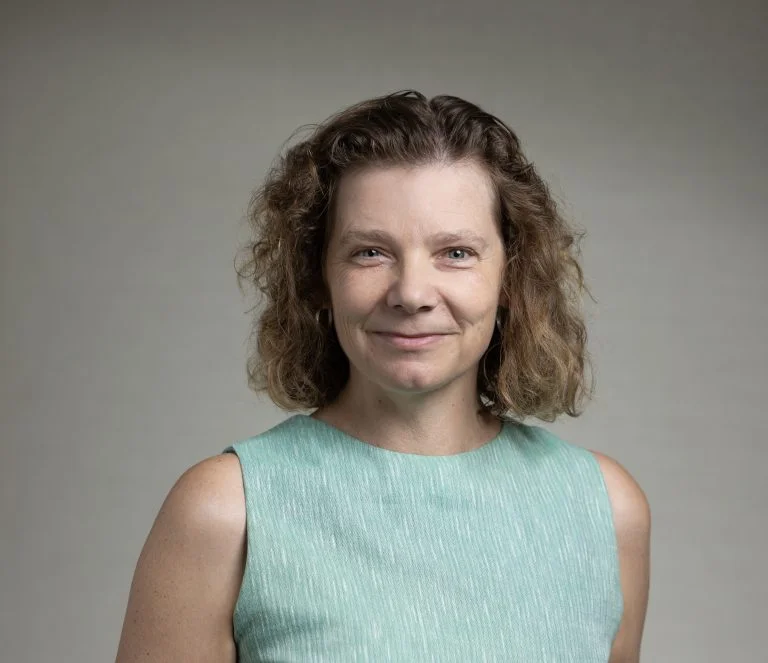
Sonja Mennen
Program Director, Subterranean Fauna, Ecosystem Threats and Processes
Sonja is an environmental scientist and science communicator with more than 20 years of experience across the private and public sectors, both in Australia and internationally. Her background covers project management, environmental science, water resource management, policy and program development and science communications, and she previously held roles at the Department of Water and Environmental Regulation, BHP, CSIRO and Chevron. Sonja has a Master of Environmental Science degree (Environmental management and GIS) from the University of Western Australia, and a Bachelor of Communications degree from Fontys University in the Netherlands.
-
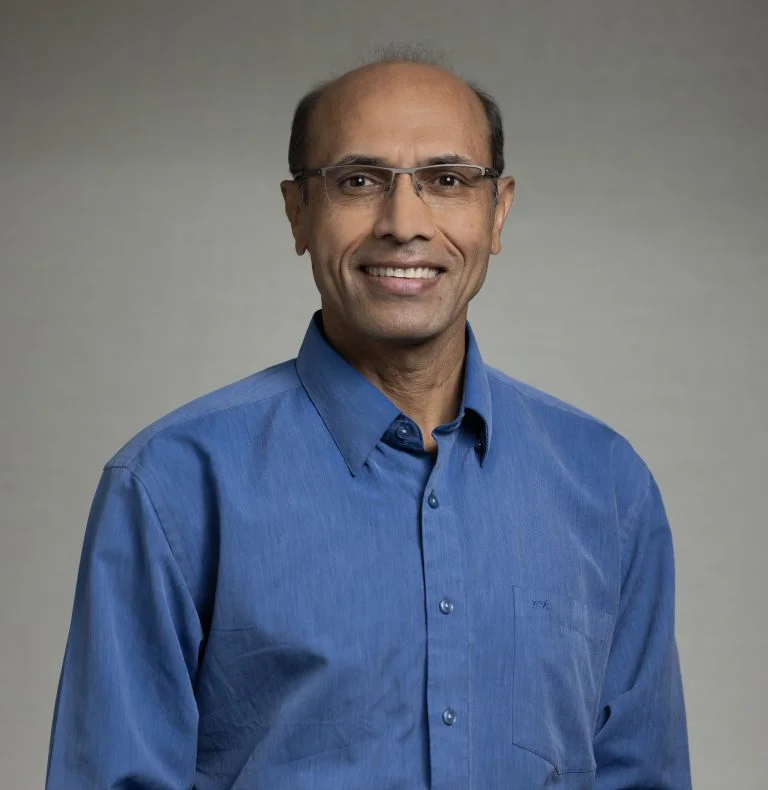
Associate Professor Ram Pandit
Research Director, Biodiversity Economics and Finance
Ram is an environmental and resource economist with over 20 years of teaching, research and professional experiences in the field of conservation and development in both developing and developed countries. Ram also holds a position of Associate Professor at the UWA School of Agriculture and Environment where he teaches courses on environmental, resource, and development economics. He has an active research agenda in biodiversity conservation and ecosystem services fields, including economics of threatened species conservation, and socio-economic impacts of protected area policies. Ram has contributed to the Intergovernmental Science-Policy Platform on Biodiversity and Ecosystem Services (IPBES) Assessments as an expert in different capacities, including as a Coordinating Lead Author of Land Degradation and Restoration Assessment (2018) and as a Lead Author of Values Assessment (2022). He currently contributes to IPBES’s ongoing Transformative Change Assessment as a Lead Author. Ram is a member of the Editorial Boards of journals Forest Policy and Economics (Elsevier), Ecosystems and People (Taylor & Francis), and Wetlands Ecology and Management (Springer). He is the founding coordinator of the Unit 9.04.05 Economics of Biodiversity and Protected Areas of the International Union of Forest Research Organisations (IUFRO). He also holds a visiting faculty position at the Hokkaido University in Japan. Ram holds a PhD in Applied Economics, MS in Economics, and MS in Probability and Statistics from Auburn University, USA. He also holds a MS in Forest Resources Management from SUNY College of Environmental Sciences and Forestry, USA.
-
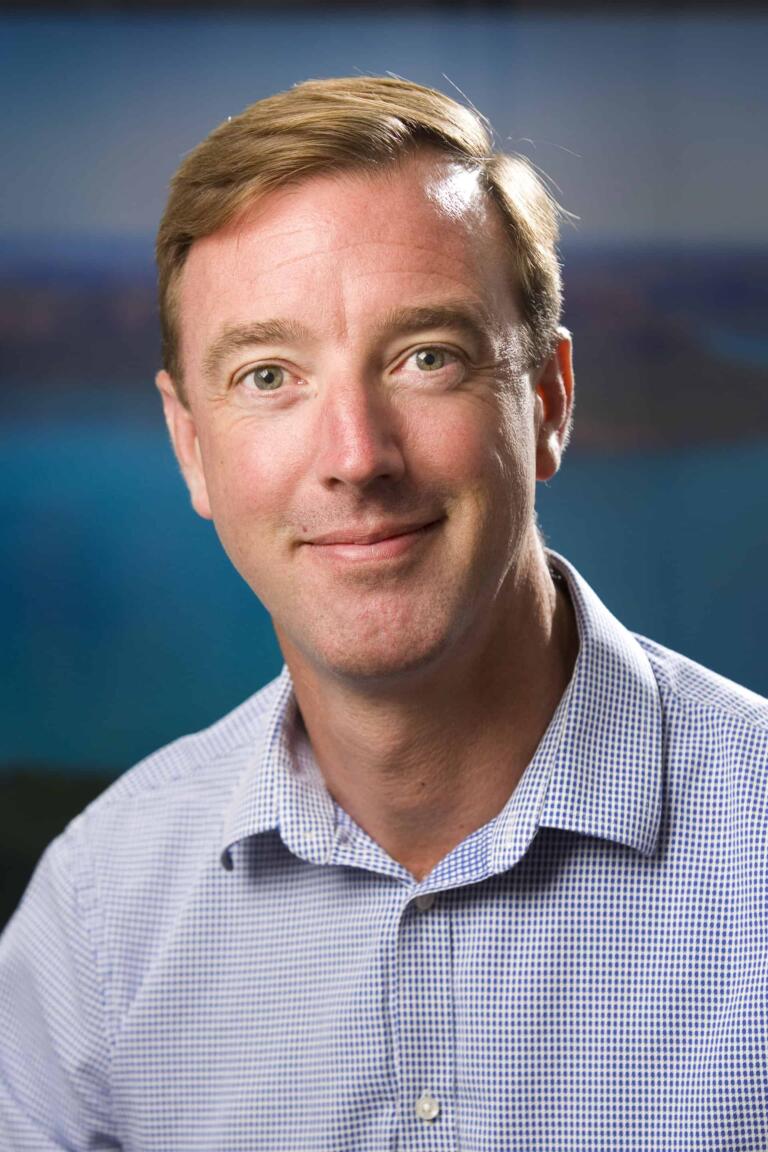
Chris Gentle
Program Director, Biodiversity Data and Information Management
Chris has over twenty years’ experience consulting at a strategic level within the information management industry for natural resources and government sectors. He has specialised knowledge in developing and implementing location-intelligence strategies and leading ICT strategy and implementation planning for resource infrastructure capital projects. Chris has a focus on customer outcomes with his multi-disciplinary expertise gained through years of working in the data management and systems as well as the engineering services industry. Chris holds a Bachelor of Science from The University of Western Australia, a Graduate Diploma in Technology Management and an M.B.A. from La Trobe University.
-
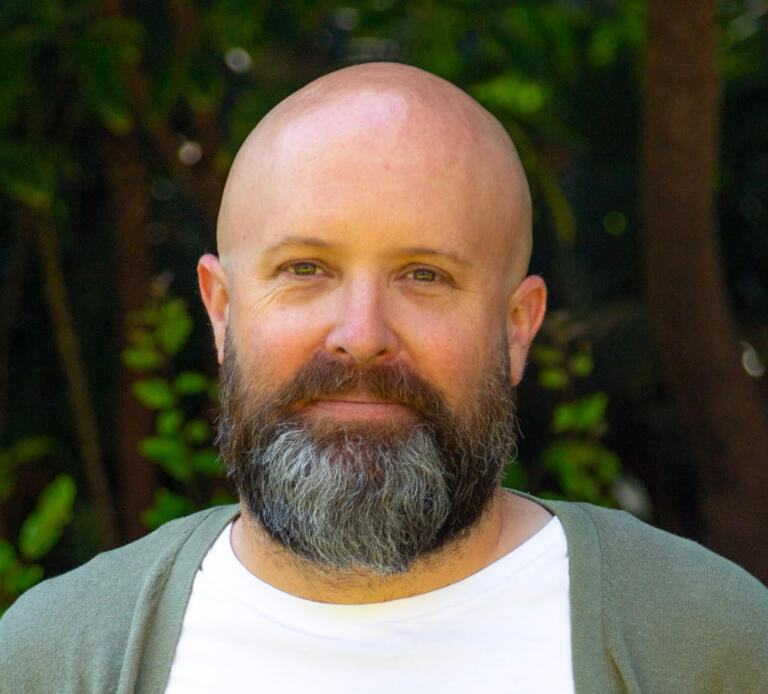
Brendan Busch
SEAF Technical Lead
Brendan is a Senior Research Engineer based at The University of Western Australia and is a part of the SEAF team.
-
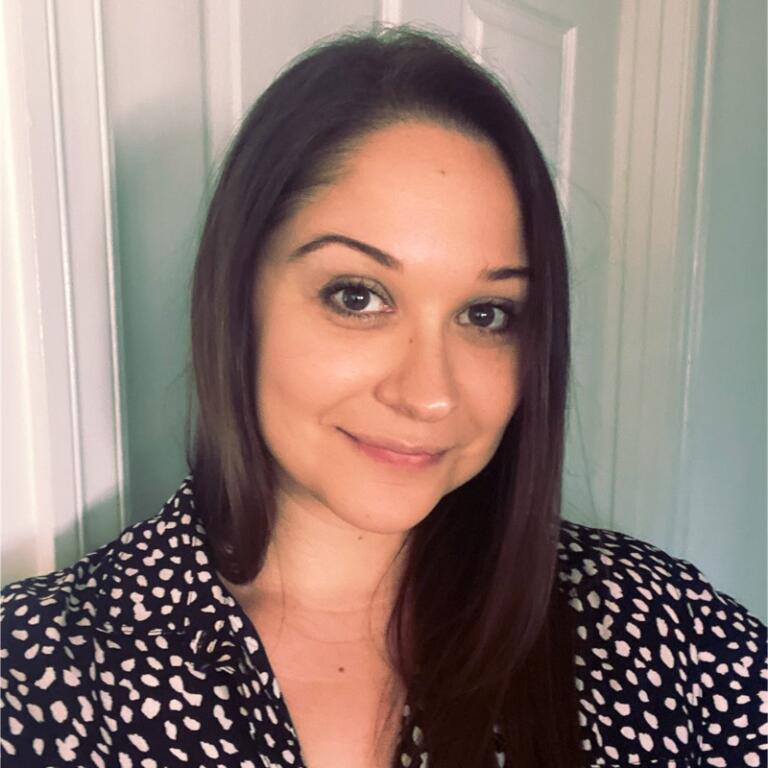
Amber Daniels
SEAF Policy and Data Governance Lead
Amber leads the design and development of governance frameworks for SEAF, a joint initiative of WABSI and WAMSI, operated in conjunction with partners. Amber has a background governance, compliance and policy analysis.
-
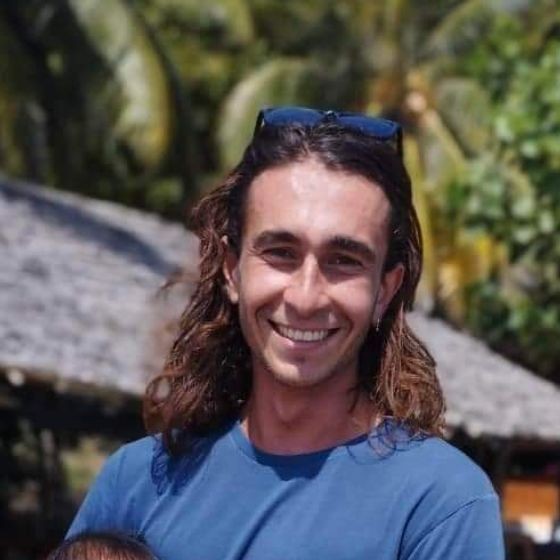
Anthony Arangio
SEAF Spatial Information Lead
With specialists skills in statistical data analysis and geospatial data analysis, Tony works across WABSI and WAMSI with the SEAF project team.
-
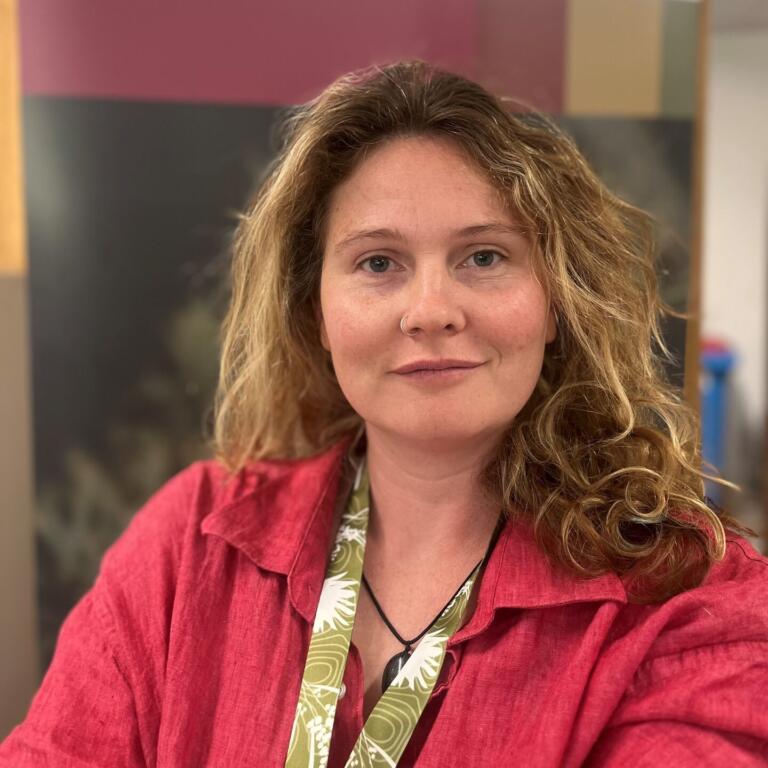
Nicki Slevin
Senior Co-Ordinator, WA Feral Cat Working Group
With a background in coordinating projects, Nicki has worked with parliamentarians on local and federal issues and with the Cancer Council of WA in an administrative role. In addition, Nicki has contributed to environmental advocacy through Greenpeace’s Save Scott Reef campaign. Nicki holds a Bachelor of Arts and a Bachelor of Science from the University of Newcastle majoring in Biology with a focus in conservation, literature and Indigenous affairs.
Independent by design
Our governance structure is designed to keep WABSI genuinely independent. It is not owned by any one organisation but is a collaboration which is accountable to all its joint venture partners.
Collaboration, Leverage and Integration Committee (CLIC)
Research input and guidance
Board of Directors
Strategic direction, operational oversight, fiduciary accountability
Participant Council
Performance oversight, partnership governance
The WABSI Board of Directors
The WABSI Board comprises experts from multiple disciplines and sectors and includes Indigenous voices.
-
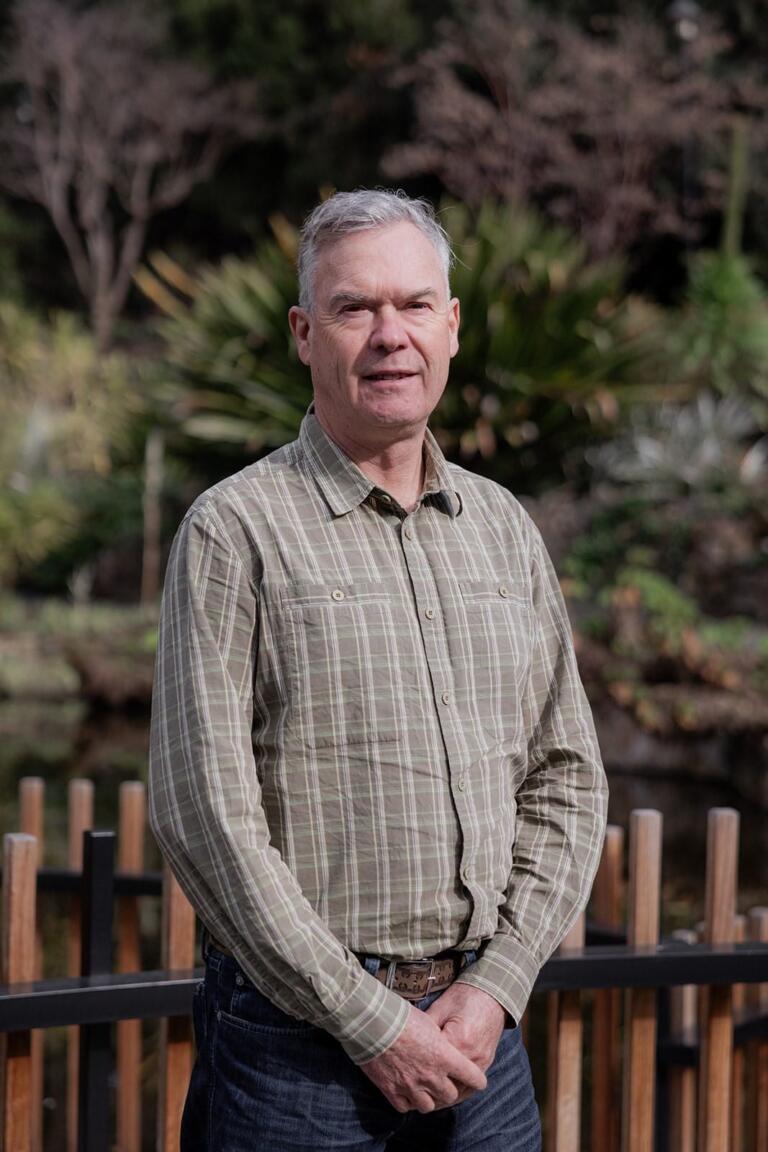
Professor Ian Cresswell
Board Chair
Dr. Ian Cresswell, Adjunct Professor, School of Biological, Earth and Environmental Sciences, University of NSW, has extensive experience working in environmental science in biodiversity conservation and discovery, oceans governance, fisheries management, wildlife regulation, and protected areas. He has led major programs in CSIRO both in marine science and terrestrial and freshwater ecology. Previous to this Ian worked within the Australian Government as a Senior Executive leading oceans management, sustainable fisheries assessments, international wildlife management, as well as the Director of the Australian Biological Resources Study. Ian is also the co-Chair of the national State of the Environment 2021 report, and is a member of the Board of the Western Australian Marine Science Institute. He maintains an ongoing research interest in multiple-use management and coastal systems.
-
Dr Steve Morton
Director and Chair of the Collaboration, Leverage and Integration Committee
Steve is an Honorary Professorial Fellow with Charles Darwin University in Alice Springs. He was educated at the University of Melbourne before undertaking postdoctoral work at the University of California, Irvine and the University of Sydney. He worked for some years in the wet-dry tropics of the Top End with the Office of the Supervising Scientist, and then joined CSIRO in Alice Springs to work in the desert environment that has been the major focus of his ecological work. Subsequently, Dr Morton spent ten years in the leadership of CSIRO as a Chief of Division and member of the Executive Team, working from Canberra and Melbourne. After retirement from full-time employment in 2011 he returned to live in Alice Springs. From here he serves on a variety of boards and committees relating to environmental and natural resource management, and continues to think and write about ecology, mostly to do with the Australian deserts.
-
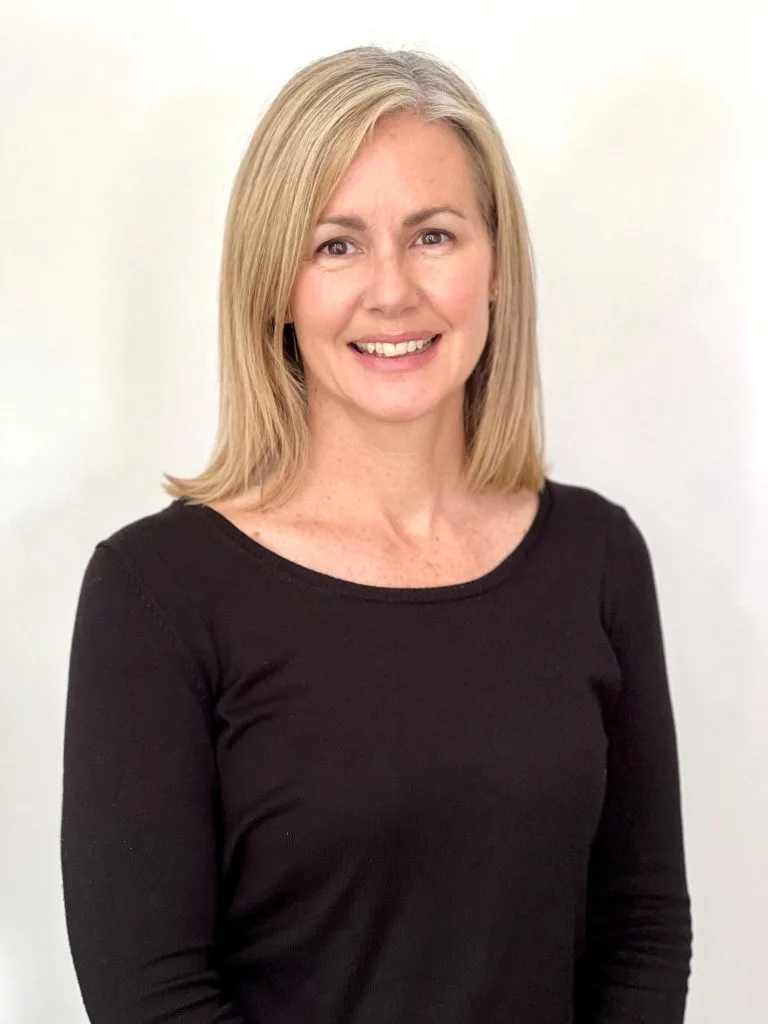
Christine Lamont
Director
Dr Christine Lamont is the Executive Director of Biodiversity Conservation Science at DBCA. Christine is a marine and coastal ecologist, specialising in seabirds and shorebirds, with diverse experience in Government regulation and estate management, energy industry development and marine research roles internationally and in Australia. She has led large environmental impact assessment and environmental monitoring projects throughout Australia for energy developments and supported policy development and legislative review processes while within government. Christine is passionate about biodiversity conservation, ecosystem approaches to regional planning and collaborative research to achieve improved environmental outcomes.
-
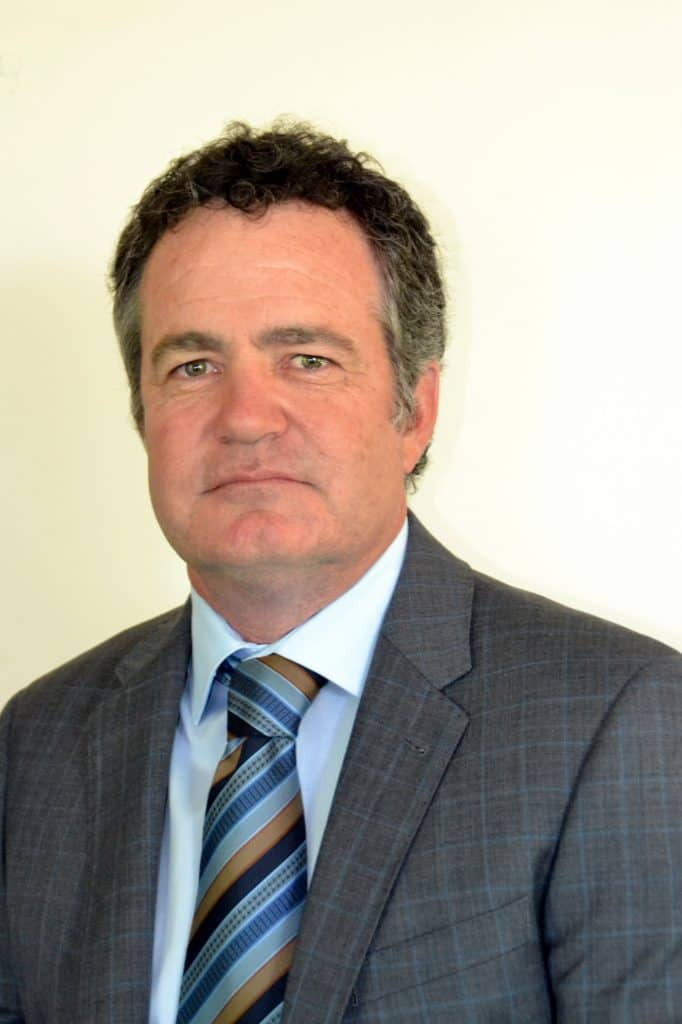
Vern Newton
Director
Vern’s areas of expertise include working for a number of construction material and mining companies in senior roles encompassing Operations, Logistics, Budgeting, Strategic Planning and Marketing within the Kimberley, Pilbara, South West, Goldfields and Metropolitan area of WA and Australia as a whole. He has been involved in driving sustainable policies within corporate organisations including developing Energy Management Policy for a large Australian construction materials company, which resulted in the particular company being the first sign up for the Australian Greenhouse Challenge with the Federal Government. With Rocla, Vern engaged with research institutes to help achieve partnerships between industry and science so that a higher standard of restoration is achieved on the ground. Additionally, Vern liaises with government (both Federal & State) and regulatory bodies regarding the benefits of restoration to ensure restoration principles are a key focus for government so that development occurs in a sustainable manner and net increases in habitat begin to occur. With the acquisition of Rocla Quarry Products by Hanson Construction Materials (Australia) now Heidelberg Materials, Vern continues his work in the resource development field with Heidelberg Materials, and now also holds the role of National Property Manager.
-
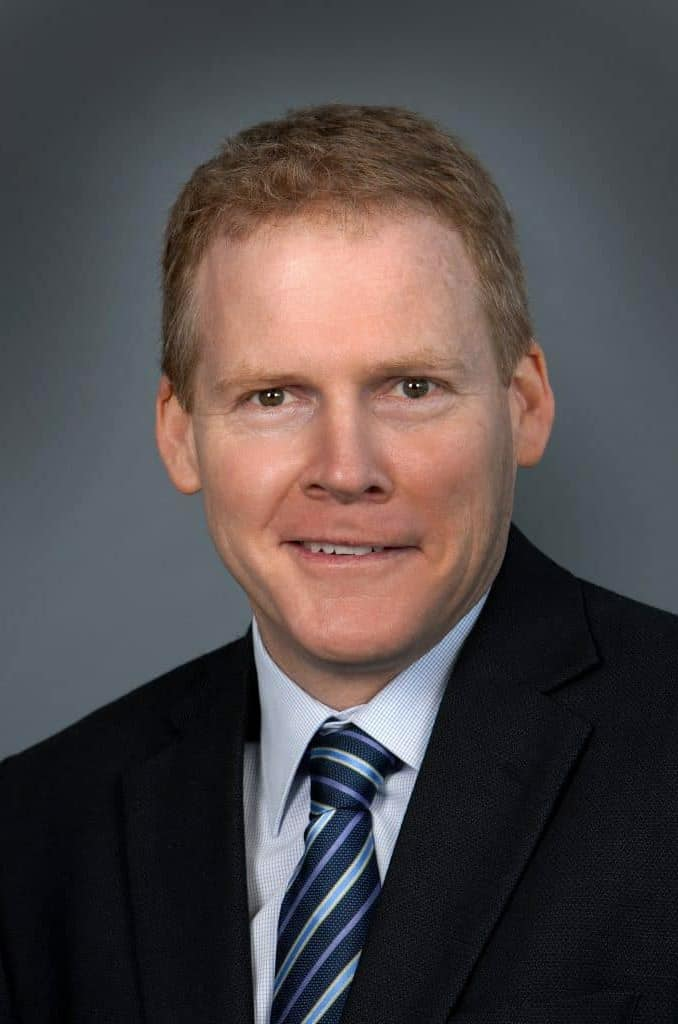
Gavin Price
Director
Gavin served for several years as the Head of Environment for BHP Billiton’s Iron Ore operations and has extensive experience across the minerals and processing industry sectors in the fields of Environment, Health and Safety, External Affairs and Sustainable Development. Gavin brings strong operational experience in research science application in industry, including Board representation for research. Having a profession in Environmental Science, Gavin continues to actively support the development of environmental management through industry and community initiatives such as the NGO Industry Forum within the Chamber of Minerals and Energy, where early support was generated for the establishment of the WABSI.
-
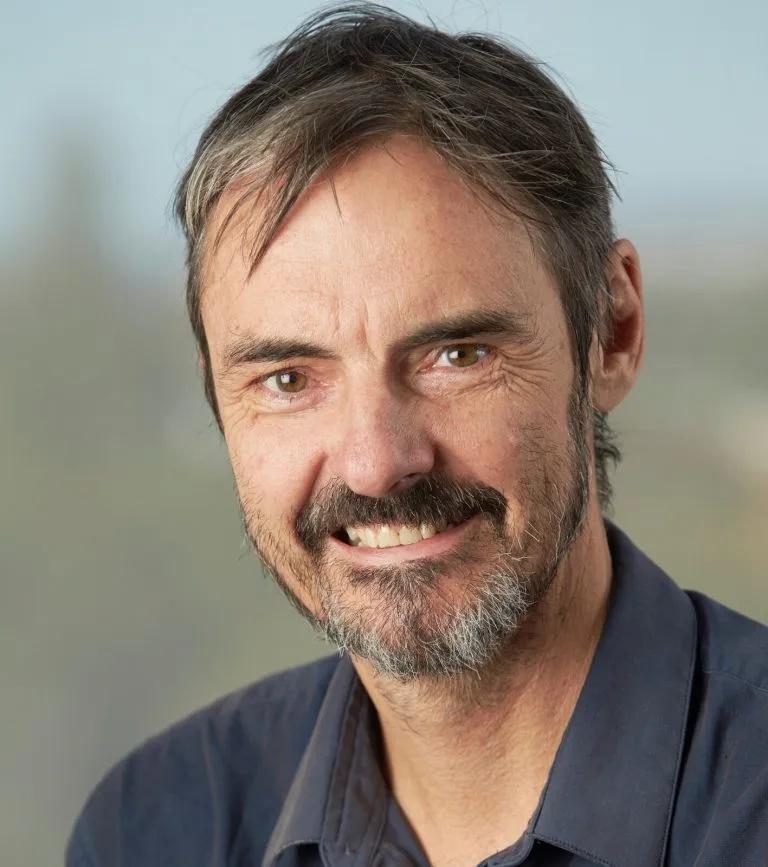
Dr Brett Molony
Director
Brett is the Science Director of the Environment Research Unit for CSIRO, based at the Indian Ocean Marine Research Centre (IOMRC) in Perth, Western Australia. Brett has more than 30 years’ experience as a marine, estuarine and freshwater researcher within Australia and internationally. His research interests include systems approaches to understanding pressures and trade-offs in coastal areas to assist stakeholders and decision-makers to make informed, risk-based choices. More recently, his interests have included ecological interventions in terrestrial and coastal areas to respond to risks of climate change on ecological systems. This includes how Indigenous knowledge and science, and western knowledge and science, can work together to enhance the understanding of these important systems and support Indigenous-led initiatives.
-
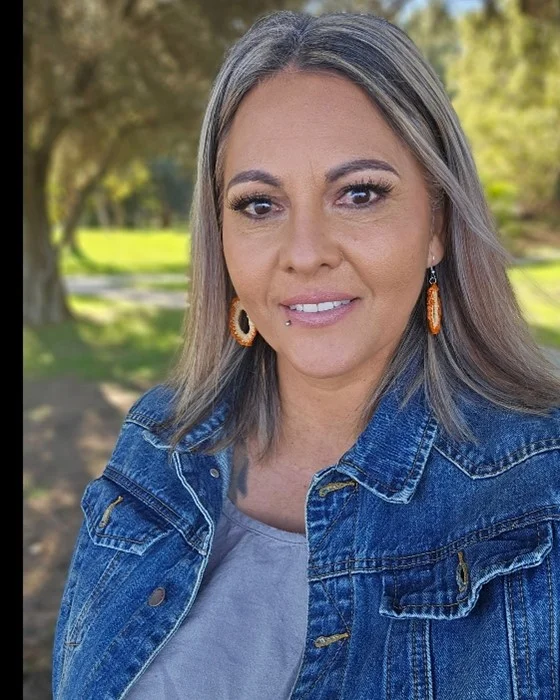
Heidi Mippy
Director
Heidi Mippy is a Noongar and Thiin-Mah Warriyangka woman with cultural ties to the South West and Upper Gascoyne regions of WA. She has extensive experience with Indigenous communities and has held roles within local government, the WA Police, Child Protection, Education and Training, and the Department of Fire and Emergency Services. She has worked across the government, not for profit and private sectors. Heidi is a small business owner and volunteers her time to several Boards and Advisory Groups in the community and was recognised as the 2019 Aboriginal Volunteer of the Year for the City of Cockburn, 2020 Citizen of the Year for the City of Fremantle and 2022 Murdoch University Distinguished Alumni. Heidi holds a Bachelor of Arts in Community Management and Adult Education, a Graduate Certificate in Business (Leadership, Strategy & Innovation) and an Executive Masters, Leadership, Strategy, and Innovation. Heidi is a current PhD candidate working with Biologic Nature and Community as she undertakes her research full-time. She remains involved with the ARC Training Centre for Healing Country located at Curtin University. Healing Country provides the structure and links the scientific capacity required to achieve cultural, environment, social, health and economic benefits that will enable First Nations businesses and communities to flourish. Heidi is the co-lead for the Socio-Economics Research Theme and is on the Healing Country Board. Heidi is passionate about Noongar led restoration and economic opportunities for Noongar people through land-based activities and sees this as important in the healing, wellbeing and cultural survival of First Nations People.
WABSI Joint Venture Participant Council
Each WABSI joint venture partner has a representative on the Council through the roles listed here. They offer senior voices which review and ratify decisions of the WABSI Board and maintain oversight of WABSI’s performance.
- Director General Department of Biodiversity, Conservation and Attractions
- Director General Department of Primary Industries and Regional Development
- Director General Department of Water and Environmental Regulation
- Director General Department of Mines, Petroleum and Exploration
- Research Director Biodiversity, Ecosystem Knowledge and Services, Land and Water, CSIRO
- Chief Executive Officer Western Australian Museum
- Deputy Vice Chancellor Research The University of Western Australia
- Deputy Vice Chancellor Research Curtin University
- Deputy Vice Chancellor Research Edith Cowan University
- Deputy Vice Chancellor (Research and Innovation) Murdoch University
Collaboration, Leverage and
Integration Committee (CLIC)
Senior researchers from partner organisations are represented on CLIC, guiding the development of collaborative research programs and priority projects, in response to end user knowledge needs.
-
 CSIRO (opens in a new tab)
-
 Dept. Biodiversity, Conservation & Attractions (opens in a new tab)
-
 Dept. Primary Industries & Regional Development (opens in a new tab)
-
 Curtin University (opens in a new tab)
-
 Murdoch University (opens in a new tab)
-
 University of Western Australia (opens in a new tab)
-
 Edith Cowan University (opens in a new tab)
-
 Western Australian Museum (opens in a new tab)
Want to work with us?
WABSI exists to convene the right people around Western Australia’s biodiversity challenges. Bring us a strategic challenge or join the collaboration.