SEAF: Shared Environmental Analytics Facility
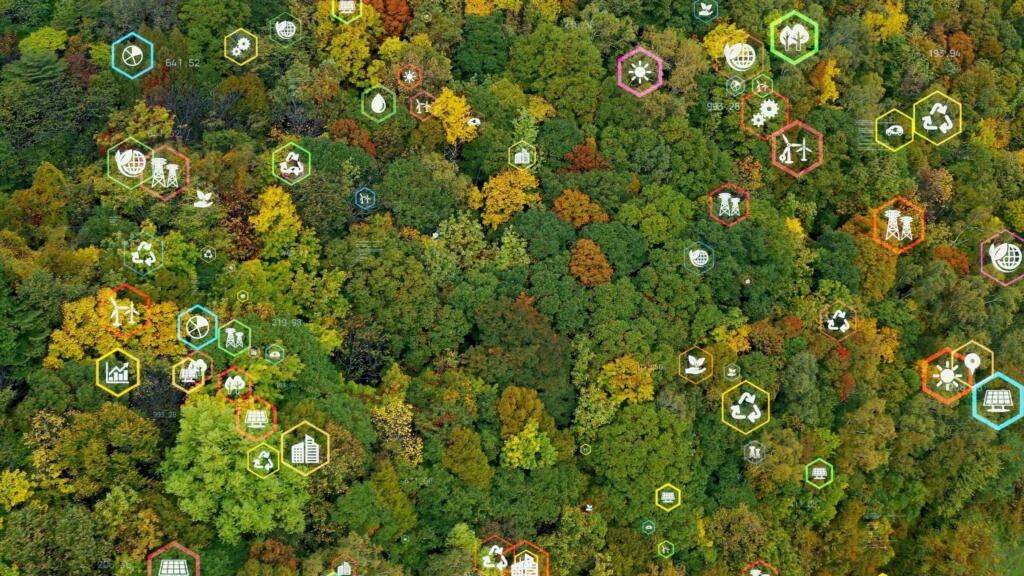
Environmental data is often held by different organisations, in different systems and under different conditions of access and use.
0 Publications
Western Australia’s biodiversity faces complex and changing pressures. WABSI starts with the issues faced by those making decisions about biodiversity and sustainable development, identifying critical knowledge gaps and developing targeted research programs. We connect independent science with policy, industry and investment to generate evidence that improves decisions, strengthens capability and delivers measurable outcomes.
9
Nine priority research programs
WABSI programs are driven by the needs of people and organisations making decisions about Western Australia’s terrestrial biodiversity. We bring end users and researchers together to identify critical knowledge gaps, prioritise research and coordinate collaboration around issues where better science can improve environmental and economic outcomes.
Environmental data is often held by different organisations, in different systems and under different conditions of access and use.
Improving how biodiversity information is connected, accessed and applied so end users can use trusted evidence to make better decisions.
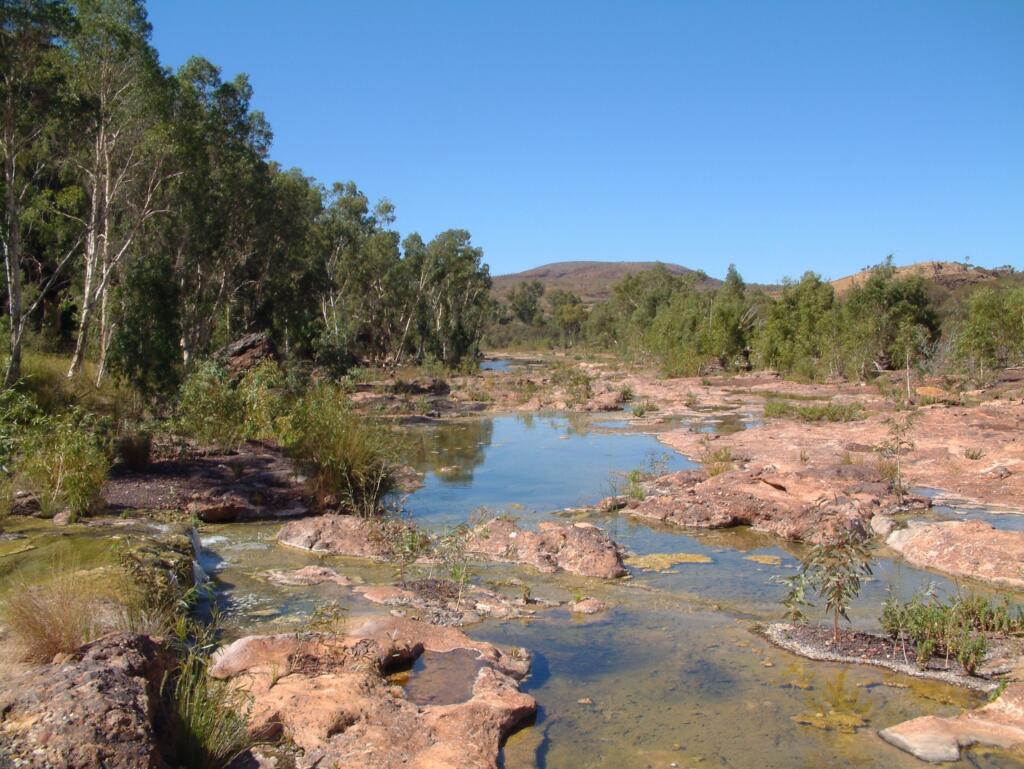
Addressing critical knowledge gaps in Western Australia’s unique subterranean ecosystems to improve environmental assessment, conservation and sustainable development decisions.
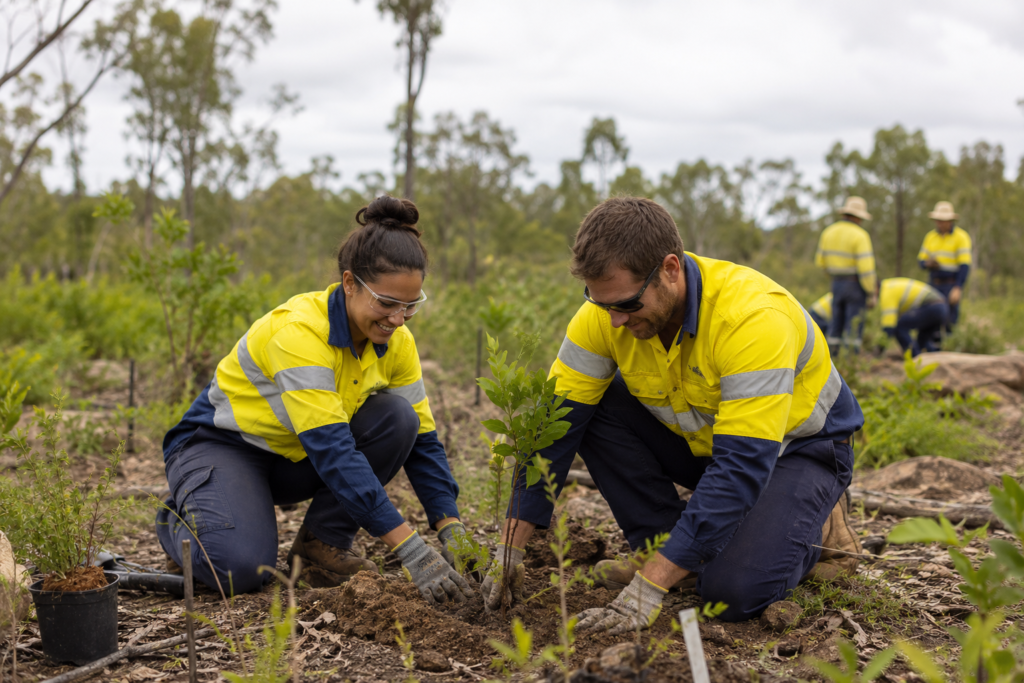
Developing knowledge to scale ecological restoration, guide investment and build a restoration economy that delivers environmental, economic and social value.
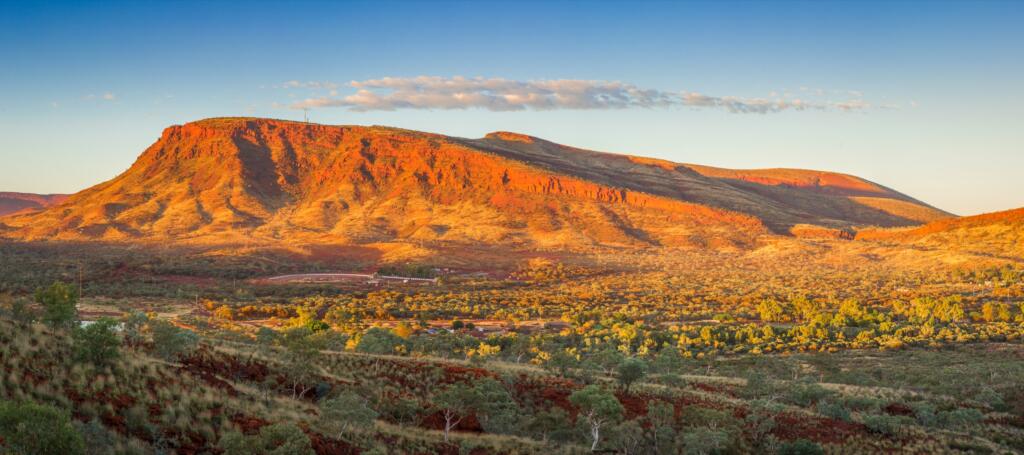
Building knowledge to help decision-makers understand biodiversity’s economic value, manage nature-related risks and identify opportunities for sustainable investment and growth.
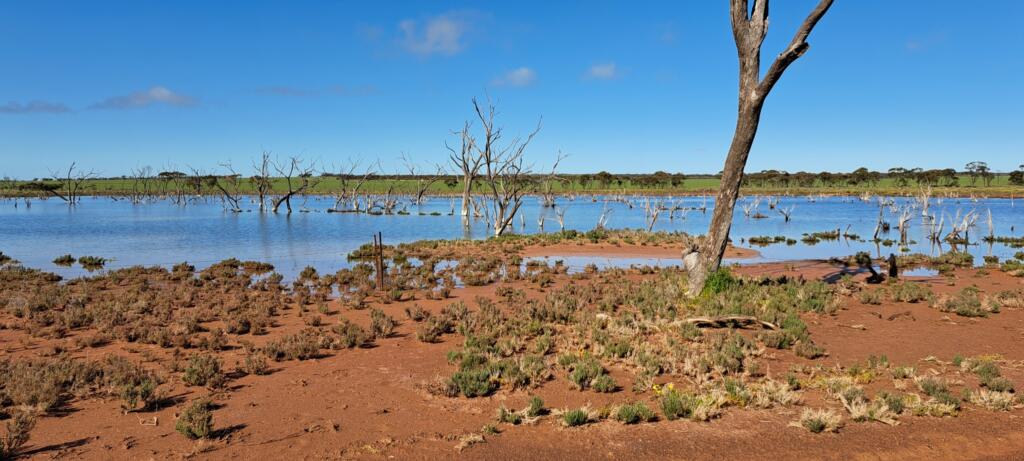
Identifying and addressing priority knowledge gaps affecting Western Australia’s inland waters, supporting biodiversity, water security and better decisions in a changing climate.
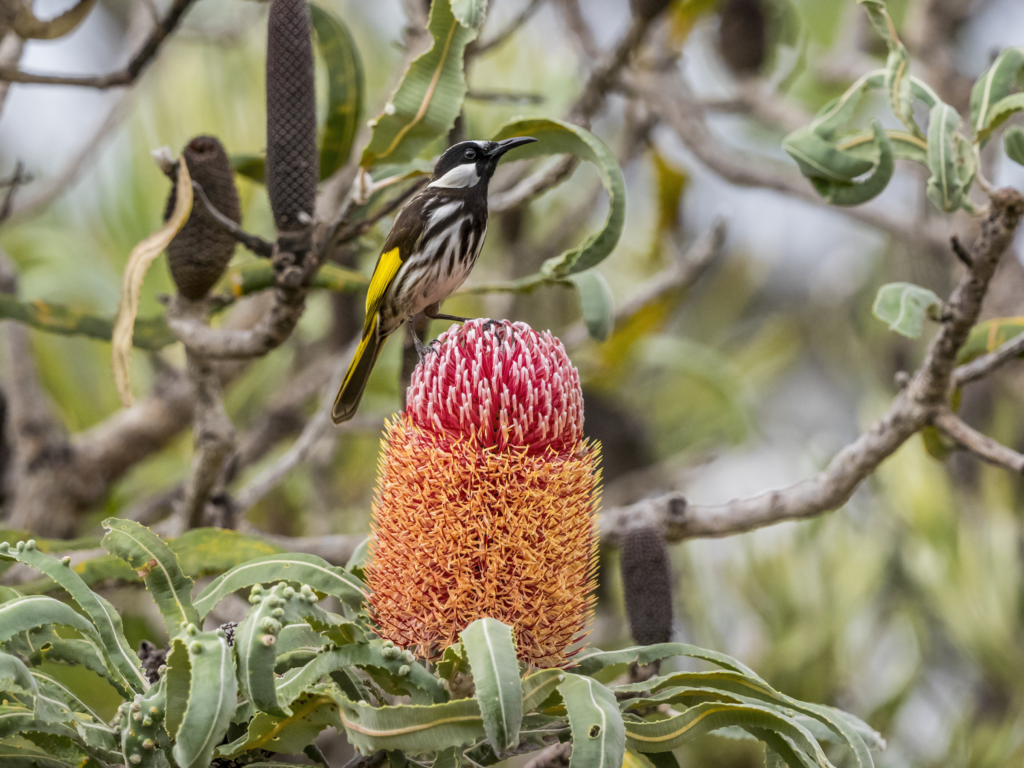
Developing evidence to help planners, governments, developers and communities integrate biodiversity into urban environments and create healthier, more resilient places.
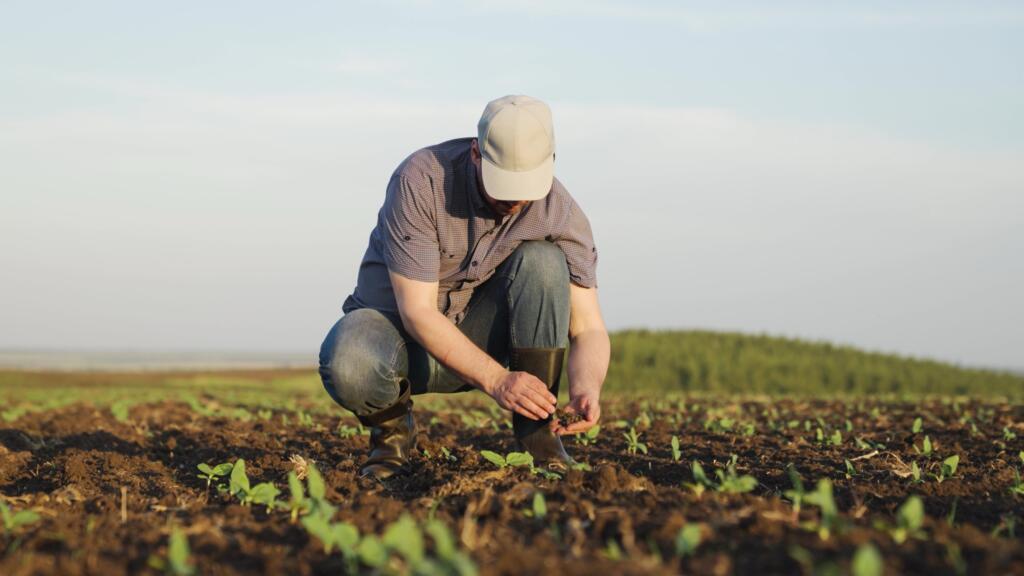
Building evidence to improve rehabilitation and closure outcomes, reduce uncertainty and support responsible resource development across Western Australia.
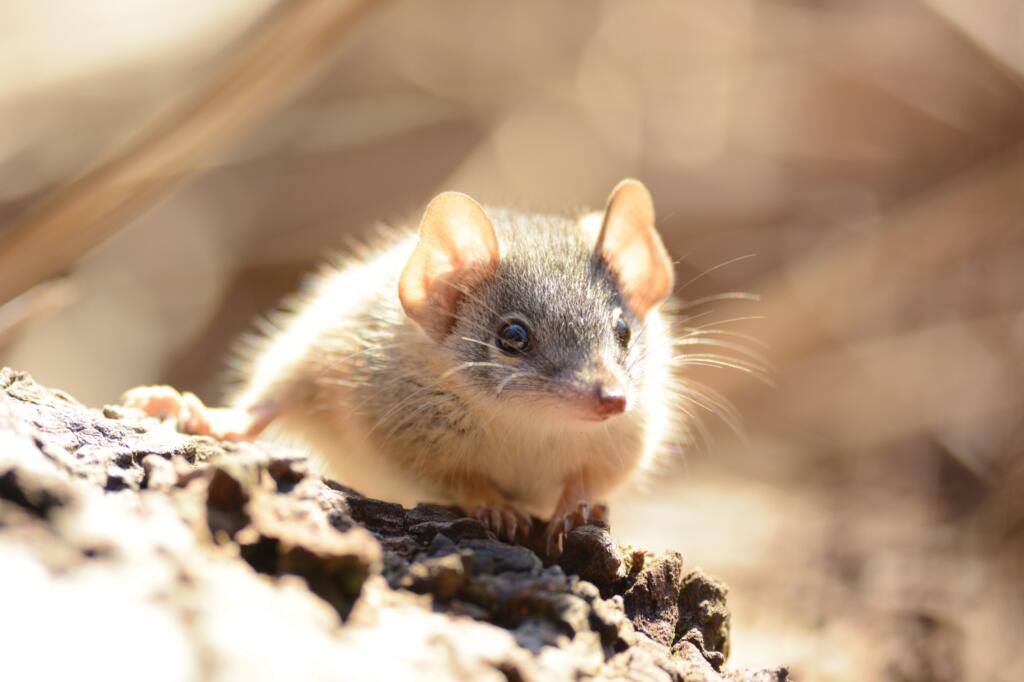
Coordinating targeted research to address critical knowledge gaps around feral cat impacts, management effectiveness and threatened species outcomes.
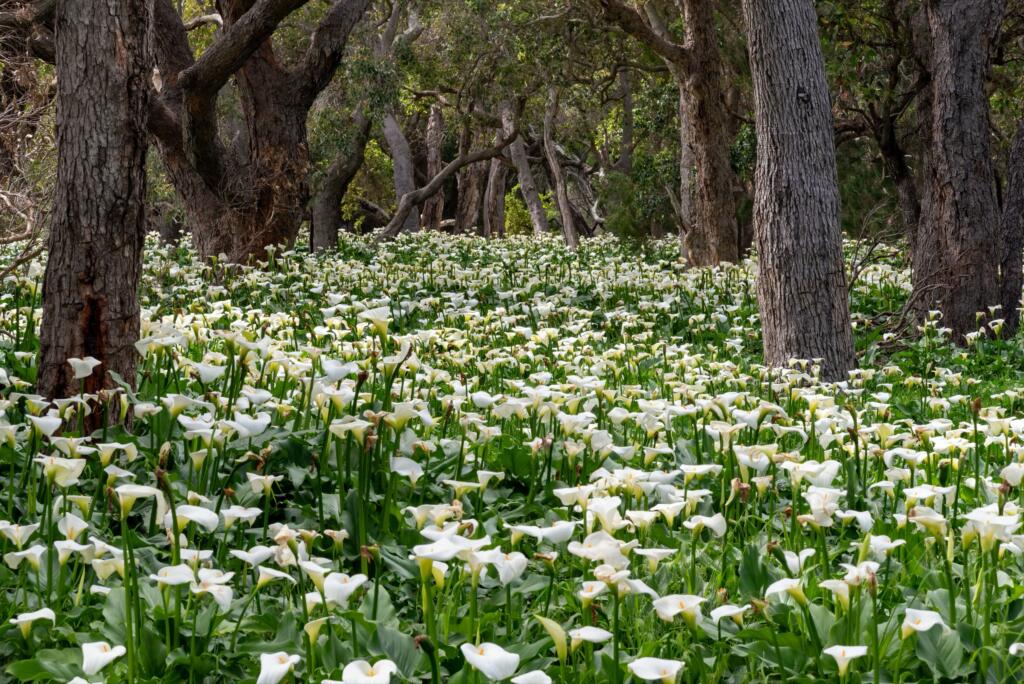
Developing knowledge to understand, prioritise and manage weed impacts, helping decision-makers target effort where it can deliver the greatest biodiversity benefit.
Explore the projects, publications, tools and decision-support resources generated through WABSI collaboration and see how research is translated into practical applications.
Our work Projects
Specific initiatives that sit within programs – including IBSA, SAFE, SEAF, CRC TiME, Wheatbelt Restoration Standards and more.
Resources Publications
Reports, research plans and strategic frameworks produced through WABSI programs – free to download.
Our work How we work
How WABSI develops new programs and projects in collaboration with the sectors that will use the findings.
WABSI does not begin with a research question. We begin by listening to the people facing a biodiversity issue. Through consultation, we identify where better knowledge could change decisions, then develop and coordinate a prioritised research program to address those gaps.
How we develop research programsWe work with those making or influencing biodiversity decisions to understand the environmental, policy, regulatory, industry and community issues they face. This ensures research begins with a real need and a clear opportunity for science to make a difference.
WABSI brings together government, regulators, industry, researchers, Traditional Owners, land managers and other knowledge users to understand what they need to know, where uncertainty exists and what evidence would enable better decisions.
We synthesise existing knowledge, research and stakeholder input to identify critical gaps. Priorities are assessed according to their potential to address end user needs, reduce uncertainty and deliver meaningful biodiversity, environmental and economic outcomes.
WABSI works with researchers and end users to translate priority knowledge gaps into a coordinated research program. This creates a shared agenda for investment, avoids duplication and focuses effort where new science can have the greatest impact.
We connect the right expertise, organisations and investment to deliver targeted research. WABSI’s collaborative model enables independent science to draw on complementary capabilities across universities, government, industry and other partners.
Research is only valuable when it can be used. WABSI works with end users to translate findings into evidence, tools, guidance and other outputs that can inform policy, planning, investment, regulation and on-ground management.
Programs strengthen Western Australia’s science capability as well as addressing immediate issues. By building connections, knowledge and research capacity, WABSI helps WA respond to environmental change and emerging biodiversity challenges over the long term.
WABSI brings together the people, knowledge and investment needed to address Western Australia’s biodiversity challenges. If your organisation is facing an issue where better science could reduce uncertainty, improve decisions or unlock new opportunities, talk to us about developing a targeted research collaboration.