
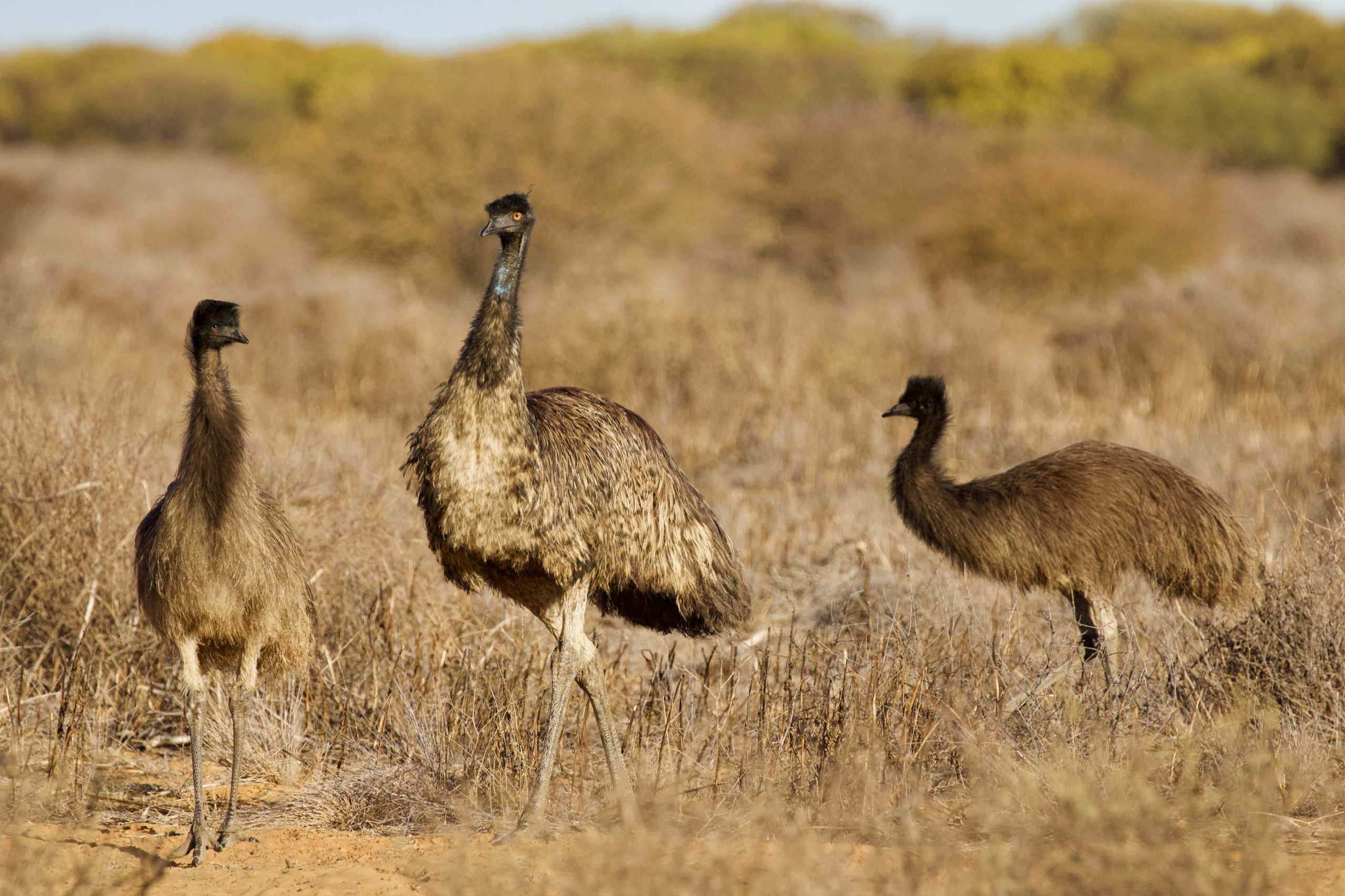
We build capability that is relevant to real-world decisions.
From interpreting environmental data to understanding biodiversity risks, opportunities and trade-offs.
Building the capability to understand and use biodiversity knowledge.
Biodiversity science and environmental data are becoming increasingly important to the decisions facing Western Australia.
But having access to information is not enough. People also need the skills, tools and confidence to understand what the evidence means and apply it to their work.
WABSI builds capacity by connecting people with scientific knowledge, developing practical resources and creating opportunities to strengthen understanding and interpretation of biodiversity evidence.
Knowledge creates value when people can use it.
Strengthening evidence literacy
Better understanding of scientific evidence helps people assess information, recognise uncertainty and make more informed decisions.
Connecting knowledge with practice
Building capability within organisations and across sectors helps ensure biodiversity science and environmental data are used beyond individual research projects.
From understanding to application.
WABSI works with end users to identify where capability gaps exist and what support is needed to make scientific knowledge more useful.
This can include synthesising complex research, developing practical tools and guidance, facilitating knowledge exchange and creating opportunities for researchers and end users to work together.
Building capability for the long term.
Capacity building is not a one-off activity. It is about strengthening the relationships, skills and systems that allow knowledge to move between research and practice over time. By improving understanding, interpretation and use of scientific knowledge and environmental data, WABSI helps create a stronger evidence base for better decisions about Western Australia’s biodiversity and its future.
Explore what else WABSI does.
-
Solutions
Lead collaboration
Connect the people and knowledge needed to solve complex challenges.
-
Solutions
Coordinate research
Turn shared priorities into coordinated research.
-
Solutions
Translate science
Transform scientific knowledge into decision-ready insights.