
Mine rehabilitation & closure
Connecting rehabilitation and closure decisions with independent science to improve outcomes, reduce uncertainty and support responsible resource development.
Improving rehabilitation and closure decisions
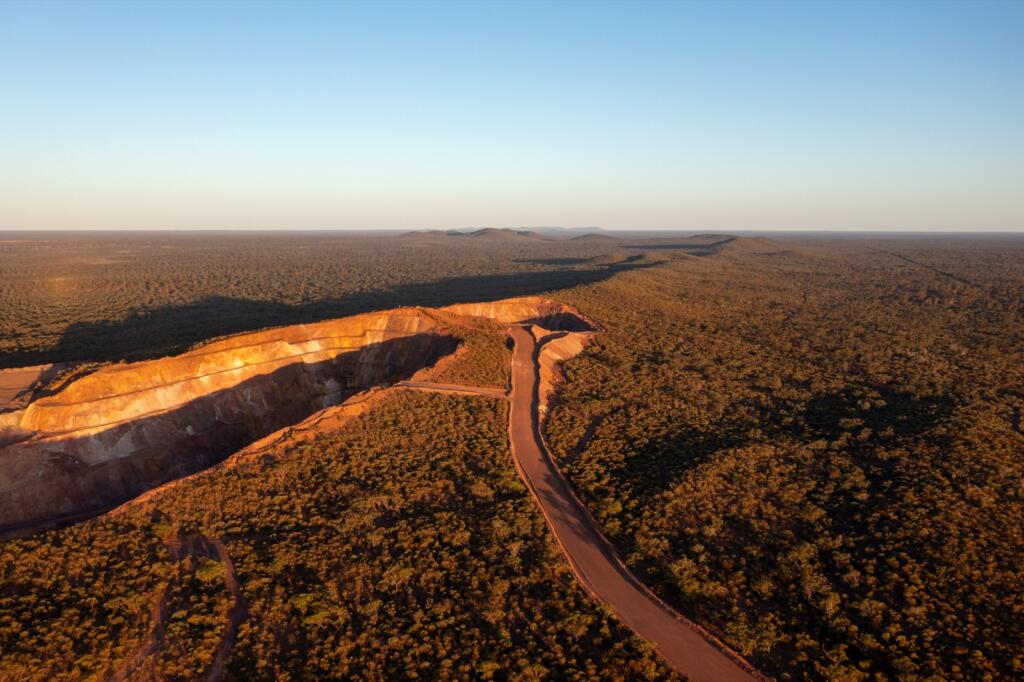
Mine rehabilitation and closure involve long-term environmental decisions under uncertainty.
WABSI starts with the information needs of industry, regulators and other end users, identifying knowledge gaps that affect confidence in rehabilitation planning, success criteria, monitoring and closure decisions.
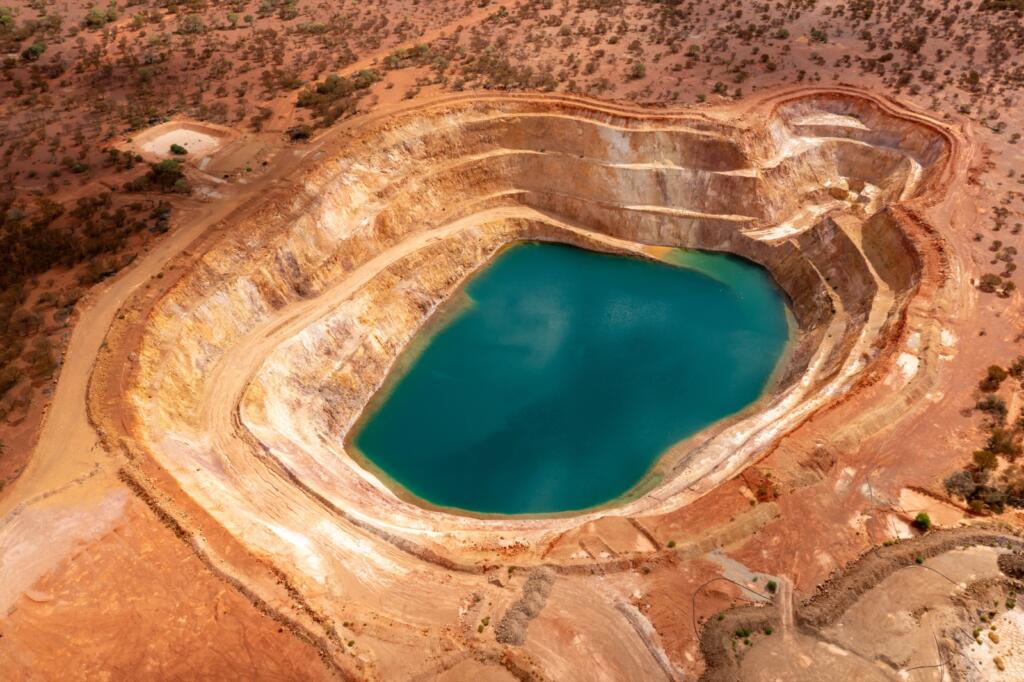
Western Australia’s resources sector operates across diverse environments, creating different rehabilitation challenges and expectations.
Decisions about closure and rehabilitation need to consider ecological trajectories, landforms, soils, vegetation, fauna, climate, monitoring and long-term management.
Yet evidence about what constitutes successful rehabilitation, how quickly outcomes can be achieved and which approaches are most effective is not always consistent or readily transferable between sites.
This creates uncertainty for proponents, regulators and communities.
WABSI works with end users to identify where better science could improve decisions and reduce uncertainty.
The resulting research agenda can address rehabilitation condition-setting, indicators of recovery, monitoring, restoration approaches, costs and longer-term outcomes.
Independent research is coordinated across ecology, restoration, environmental management and industry practice.
The goal is not to prescribe a single rehabilitation pathway, but to develop stronger evidence that can support context-specific decisions.
Better knowledge can improve planning, investment and accountability while supporting biodiversity outcomes and responsible resource development.

Where the program focuses.
-
Defining rehabilitation success
Improve evidence about ecological outcomes and indicators that demonstrate progress and success.
-
Monitoring and evidence
Develop approaches that support consistent, efficient and meaningful assessment of rehabilitation outcomes.
-
Restoration approaches
Evaluate techniques and conditions that influence successful ecosystem recovery.
-
Long-term closure outcomes
Improve understanding of ecological trajectories and management needs after operational closure.
-
Decision and investment confidence
Provide evidence that can reduce uncertainty and support proportionate rehabilitation and closure decisions.

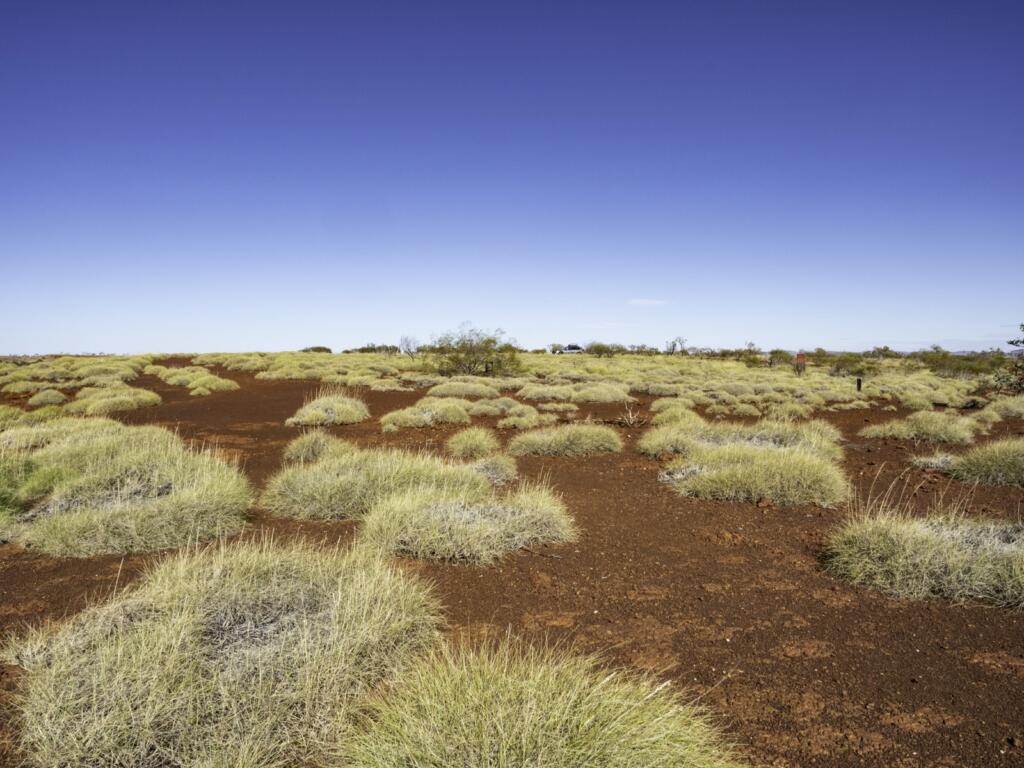
WABSI starts with the decisions faced by proponents, regulators and land managers, then identifies the evidence needed to improve confidence.
Research is co-designed with end users and coordinated across complementary science and operational expertise.
The approach recognises that rehabilitation is context-specific and that successful outcomes depend on ecological conditions, management choices and time.
Findings are translated into evidence, frameworks, tools and guidance that can inform planning, monitoring and closure.
By connecting independent science with industry and regulatory needs, WABSI helps build a stronger evidence base for rehabilitation while strengthening Western Australia’s broader restoration capability.
What the program aims to achieve.
Improve rehabilitation evidence
Generate knowledge that strengthens understanding of ecological recovery and successful rehabilitation.
Reduce uncertainty
Address critical knowledge gaps affecting rehabilitation and closure decisions.
Support consistent evaluation
Improve indicators, monitoring and evidence used to assess outcomes.
Build future capability
Strengthen the science and practitioner capability needed for long-term rehabilitation and closure.
Outputs from the program.
-
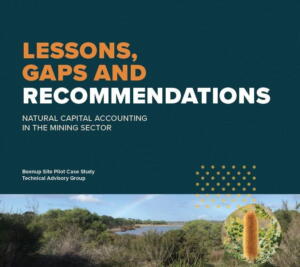 01
Lessons, gaps and recommendations: Natural capital accounting in the mining sector
2024 Download PDF -
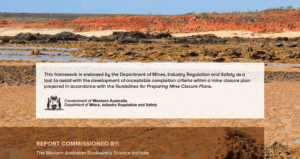 02
Completion Criteria Framework: Endorsed by the Department of Mines, Industry Regulation and Safety
2019 Download PDF
Explore the projects.
-
Project
Completion criteria and risk-based monitoring
Successful mine closure depends on being able to demonstrate that rehabilitation has achieved an agreed and sustainable outcome.
-
Project
CRC TiME – Transforming mining economies
Mine closure is not only an environmental challenge.
-
Project
Review of mine rehabilitation condition setting in WA
Effective mine closure depends on clear, achievable and measurable rehabilitation requirements.
Other WABSI
research programs.
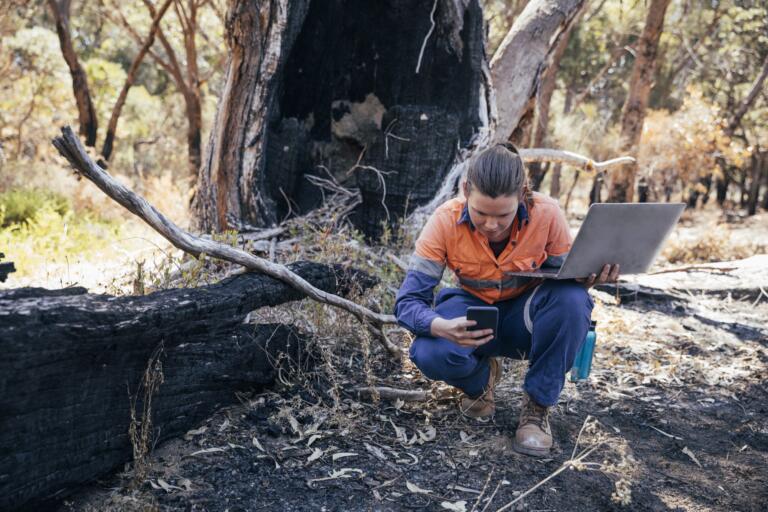



Help close the knowledge gaps that matter.
Rehabilitation decisions are shared across industry, regulators, researchers and land managers.
WABSI provides a mechanism for these groups to identify common evidence needs, prioritise research and connect independent science with practical decisions.
Partners can contribute operational knowledge, research capability, data, investment and opportunities to test findings.
-
Resources industry
Identify rehabilitation and closure decisions where targeted science could reduce uncertainty and improve outcomes.
-
Government and regulators
Help define evidence needs for rehabilitation conditions, monitoring, assessment and closure decisions.
-
Researchers
Connect ecological and restoration expertise with practical rehabilitation questions and end user needs.
-
Restoration practitioners
Contribute applied knowledge and help translate research into approaches that work in real landscapes.
- Direct email info@wabsi.org.au