
SAFE: Shared Analytic Framework for the Environment
Environmental decisions depend on a complex chain of data, analysis and reporting capabilities. SAFE provides a common framework and language for understanding how these components fit together, helping organisations identify capability gaps, coordinate investment and build more consistent and transparent environmental decision-making.
Connecting the environmental information chain.
Environmental assessments draw on many different sources of information, analytical methods and decision-support tools. Without a shared view of how these capabilities connect, effort can be fragmented, duplication can occur and important gaps can remain hidden.
SAFE provides a common framework for mapping the building blocks of the environmental information and analytics supply chain and understanding their interdependencies. The framework is designed as a management tool, helping organisations identify the capabilities needed to support environmental assessments and align effort and investment across the system. SAFE 2.0 further develops this approach by providing a common vocabulary for the increasingly complex environmental data landscape.
Building consistency and confidence.
SAFE was developed to support a move towards more robust, repeatable and transparent environmental decision-making. A clearer understanding of how information, analytical capabilities and reporting tools fit together can help reduce duplication, improve coordination and identify where investment will have the greatest value.
The framework also has practical benefits for both decision-makers and proponents. Better alignment across the information supply chain can help investors understand environmental risks and develop mitigation strategies, while supporting greater consistency between regulators and providing greater public confidence in the quality of environmental decisions. SAFE was developed by WABSI, WAMSI and partners using an internationally informed approach to biodiversity information management.
Outputs from the program.
-
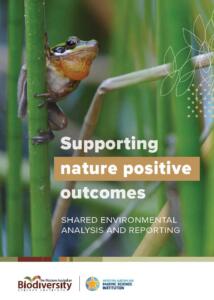 01
Supporting nature positive outcomes – Shared Environmental Analysis and Reporting
2023 Download PDF -
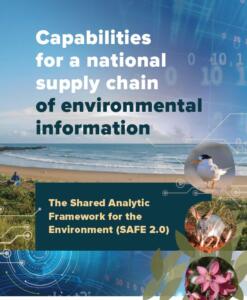 02
Capabilities for a national supply chain of environmental information – The Shared Analytic Framework for the Environment (SAFE 2.0)
2023 Download PDF -
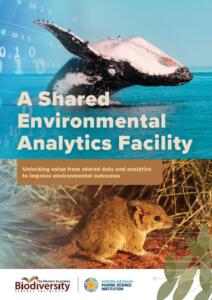 03
Shared Environmental Analytics Facility: Unlocking value from shared data and analytics
2022 Download PDF -
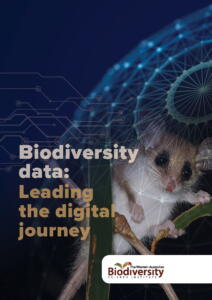 04
Leading the digital journey
2022 Download PDF -
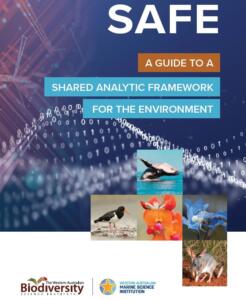 05
A Guide To A Shared Analytic Framework for the Environment
2021 Download PDF -
 06
Digitally Transforming Environmental Assessment
2019 Download PDF -
 07
Remote sensing of native vegetation extent and condition
2019 Download PDF

More from this program.
-
Program
Biodiversity information management
Improving how biodiversity information is connected, accessed and applied so end users can use trusted evidence to make better decisions.
-
Project
IBSA: Index of Biodiversity Surveys for Assessments
Biodiversity surveys generate valuable information for environmental assessment, but that value increases when data can be accessed, combined and reused.
-
Project
SEAF: Shared Environmental Analytics Facility
Environmental data is often held by different organisations, in different systems and under different conditions of access and use.
-
Project
Remote sensing of native vegetation extent and condition
Western Australia needs reliable information about where native vegetation remains, how its condition is changing and where losses are occurring.