
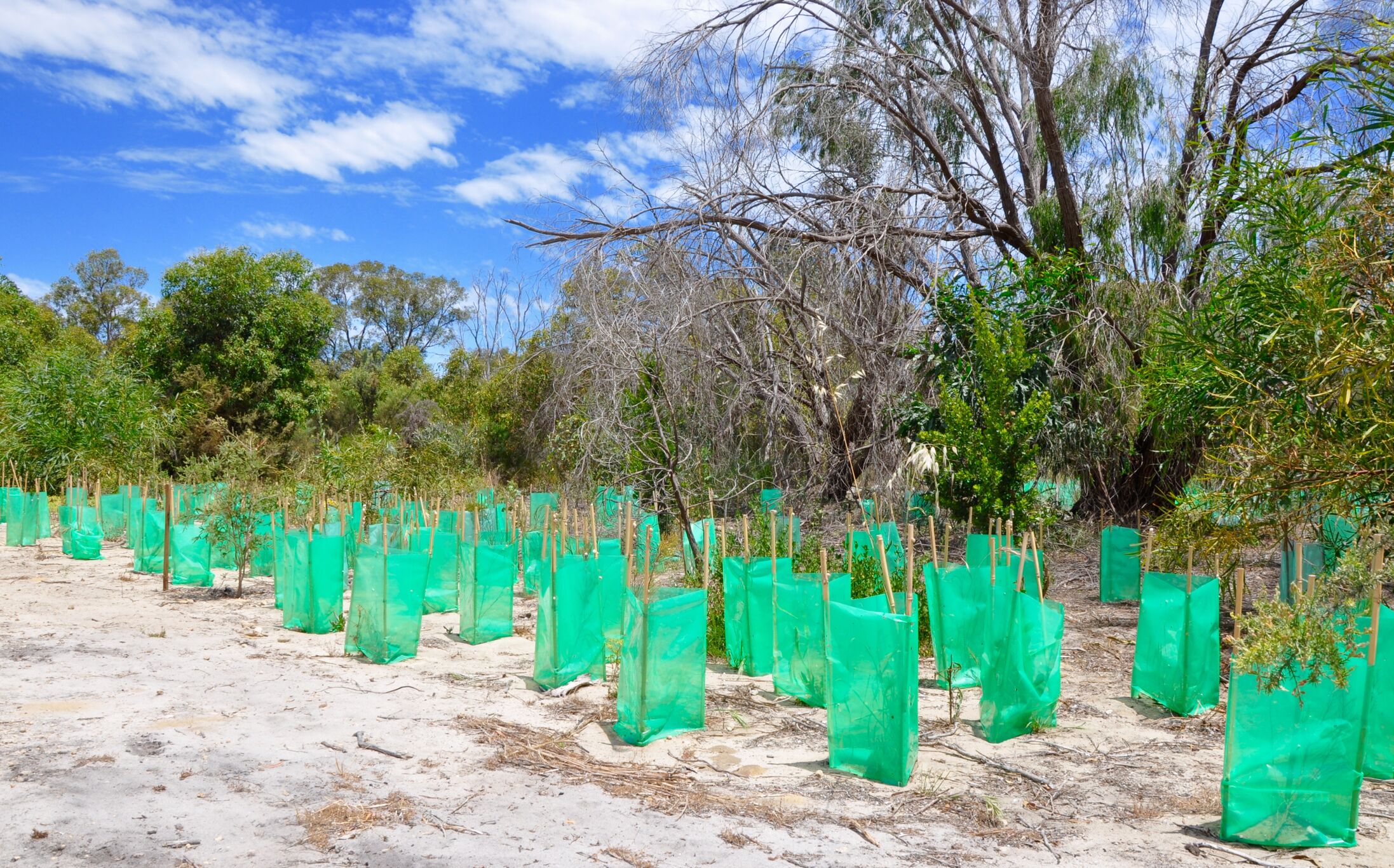
Experimental plantings
Restoration is rarely a one-size-fits-all process. As restoration expands, embedding experiments into real-world projects can help practitioners test what works, build evidence and adapt approaches to changing conditions. This project developed guidelines to support stronger partnerships between restoration practitioners and scientists.
Turning restoration into learning.
Australia has a growing network of restoration practitioners with substantial practical knowledge and experience. At the same time, increasing demand for restoration creates an opportunity to generate new evidence while restoration is being delivered. Experimental plantings provide a practical way to do this, allowing restoration projects to test questions that matter directly to outcomes on the ground.
Experiments could investigate the influence of factors such as seed choice, microbial inoculation or plant adaptability to environmental stressors. Embedding experimental plots within practitioner-led restoration projects creates opportunities to gather evidence under real-world conditions, while reducing the disconnect that can sometimes exist between research and practice.
Building a culture of continual improvement.
The project developed Guidelines for Embedded Experiments in Ecological Restoration in Australia to help practitioners and researchers incorporate experiments into restoration projects in a practical and consistent way. The guidelines recognise that experimentation can generate value beyond an individual project by creating knowledge that can be shared, tested and applied elsewhere.
WABSI supported development of the guidelines and led the science partnership, bringing together researchers, restoration organisations, government and practitioners from across Australia. This collaborative approach strengthens connections between science and practice and supports a restoration sector that can learn from experience, improve methods and build evidence as restoration scales.
Outputs from the program.
-
 01
Scaling up the WA restoration economy
2025 Download PDF -
 02
Wheatbelt Restoration Standards – A practical guide for restoration managers
2025 Download PDF -
 03
Factsheet 1 – Values led ecosystem restoration (Wheatbelt Restoration Standards)
2025 Download PDF -
 04
Factsheet 2 – Market led ecosystem restoration (Wheatbelt Restoration Standards)
2025 Download PDF -
 05
Factsheet 3 – Regulatory compliance led ecosystem restoration (Wheatbelt Restoration Standards)
2025 Download PDF -
 06
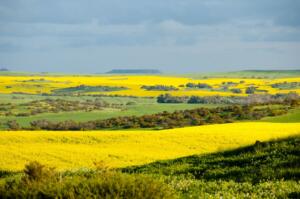
WWTEC tool – An online workbook for restoration managers
2025 Download XLSX -
 07
Strategic opportunities for environmental offsets in the Northern Jarrah Forest
2025 Download PDF -
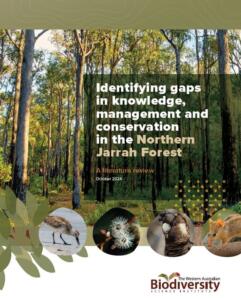 08
Literature review: Identifying gaps in knowledge, management and conservation in the Northern Jarrah Forest
2025 Download PDF -
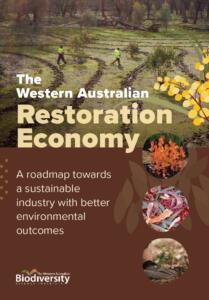 09
The Western Australian Restoration Economy: A roadmap
2023 Download PDF -
 10
Leading collaboration to lift conservation and restoration outcomes
2022 Download PDF -
 11
The value and use of WA’s native forests now and into the future
2021 Download PDF


More from this program.
-
Program
Restoration
Developing knowledge to scale ecological restoration, guide investment and build a restoration economy that delivers environmental, economic and social value.
-
Project
Biodiversity offsets in the Northern Jarrah Forest
The Northern Jarrah Forest is a landscape of environmental, cultural, social and economic significance facing increasing pressures from development and climate change.
-
Project
Wheatbelt Restoration Standards
Restoring degraded ecosystems is complex, particularly across a highly cleared and fragmented landscape such as the Western Australian Wheatbelt.